
Key Takeaways
- The same aircon repair company follows different repair protocols across industries because operational risk, compliance requirements, and system design constraints vary significantly.
- Commercial air conditioning repair in healthcare, F&B, retail, and industrial settings prioritises different safety, hygiene, access control, and downtime thresholds.
- Repair timelines, documentation, and approval workflows differ by site type, even when the equipment models are similar.
- Protocol differences are driven by regulatory exposure, tenant disruption risk, and business continuity requirements, not technician preference.
Introduction
Many facilities teams assume that commercial air conditioning repair follows a standard checklist regardless of where the system is installed. In practice, the same aircon repair company will apply materially different repair protocols depending on the industry, building use, tenant profile, and operational risk profile of the site. The differences are not cosmetic. They affect site access procedures, isolation and testing steps, documentation requirements, repair sequencing, downtime windows, and the level of temporary cooling required during works. These protocol variations exist to reduce regulatory exposure, limit operational disruption, and protect sensitive environments where system failure has downstream consequences beyond occupant discomfort.
Healthcare, Laboratories, and Regulated Environments
Commercial air conditioning repair in healthcare facilities, clinics, and laboratories is governed by infection control protocols, pressure zoning requirements, and contamination risk management. Repairs that would be treated as routine in an office setting may require pre-work approval, controlled access routes, isolation of adjacent zones, and post-repair air quality verification. The aircon repair company is required to manage dust containment, component handling, and equipment sanitisation in ways that protect patient safety and prevent cross-contamination. Downtime tolerance is minimal in treatment areas and controlled environments, which means repairs are sequenced to preserve negative or positive pressure zones and to avoid shutting down entire circuits. Documentation requirements are also heavier, with maintenance records, component traceability, and compliance reporting often required for audits or regulatory reviews.
Food & Beverage, Commercial Kitchens, and High-Grease Environments
The protocols for commercial air conditioning repair in F&B operations shift towards hygiene control, grease management, and coordination with kitchen operations. Air handling units and ducting in these environments accumulate grease and particulates that affect airflow and component lifespan. An air conditioning repair company must apply stricter cleaning, containment, and waste disposal procedures to avoid contaminating food preparation areas. Repairs are often scheduled around service hours to avoid shutting down kitchens during peak trading periods, and temporary cooling strategies may be deployed to prevent temperature-sensitive storage areas from exceeding safe limits. Protocols also account for the interaction between air conditioning systems and exhaust or make-up air systems, as improper sequencing can compromise kitchen ventilation performance and indoor air quality.
Offices, Retail Spaces, and Tenant-Dense Properties
Commercial air conditioning repair protocols in office towers and retail malls prioritise tenant disruption management, access coordination, and system zoning. The aircon repair company must align repair windows with building management policies, security clearance processes, and tenant operating hours. Repairs that affect shared risers, centralised plant rooms, or tenant distribution units require advance notifications, coordination with property managers, and sometimes temporary cooling for high-density workspaces or critical retail zones. The protocol focus here is on minimising noise, dust, and downtime visibility to tenants and customers, as reputational and leasing risks are often higher than in back-of-house industrial environments.
Industrial Facilities, Warehouses, and High-Load Operations
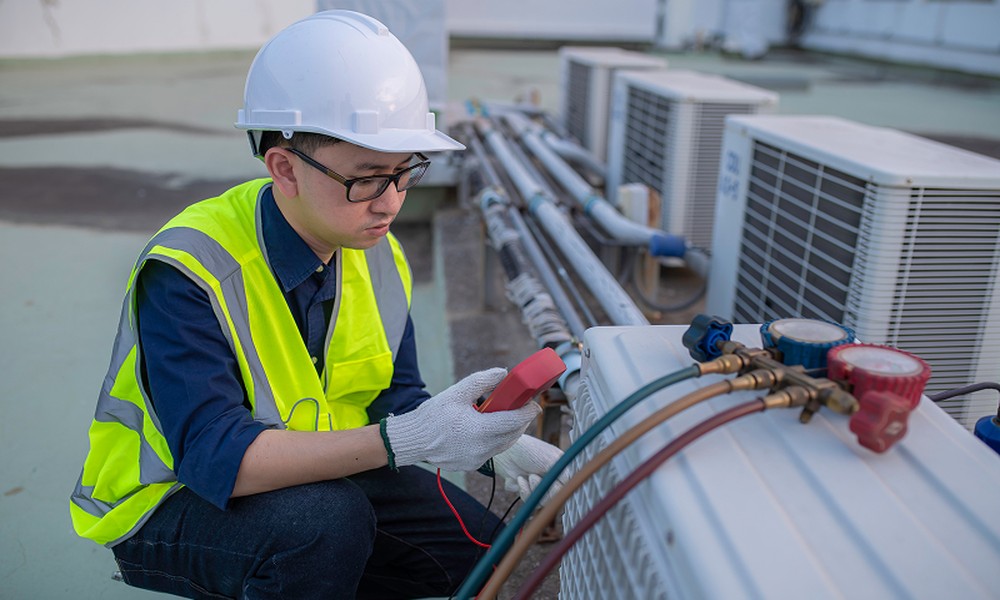
The commercial air conditioning repair protocol in industrial settings is shaped by access safety, equipment clearance, and the thermal impact on production processes. Large-format units, rooftop systems, and high-capacity chillers introduce lifting, isolation, and lockout/tagout requirements that extend repair timelines. The aircon repair company must integrate its protocols with site safety rules, permit-to-work systems, and production schedules. Downtime planning is aligned with production cycles, and repair sequencing may prioritise zones housing temperature-sensitive machinery or control rooms. The protocol emphasis is on safety compliance and asset protection rather than tenant comfort alone.
Conclusion
Different repair protocols across industries exist because risk profiles, compliance exposure, and operational consequences are not uniform. Commercial air conditioning repair is a technical service shaped by site function, not just equipment type. An aircon repair company that applies a single standard process across all industries increases downtime risk, regulatory exposure, and secondary damage, even when the faults appear similar on the surface.
Contact Airple and let us plan an aircon repair around your site’s operational risks, not just the equipment fault.