
Key Takeaways
- Mould begins growing in damp areas in as little as 24 hours, making rapid drying essential for health and air quality.
- Built-in carpentry and wooden flooring swell quickly when wet, but professional drying can often prevent permanent warping.
- Moisture frequently travels behind walls and into electrical systems, requiring thermal imaging to detect and address safety risks.
Introduction
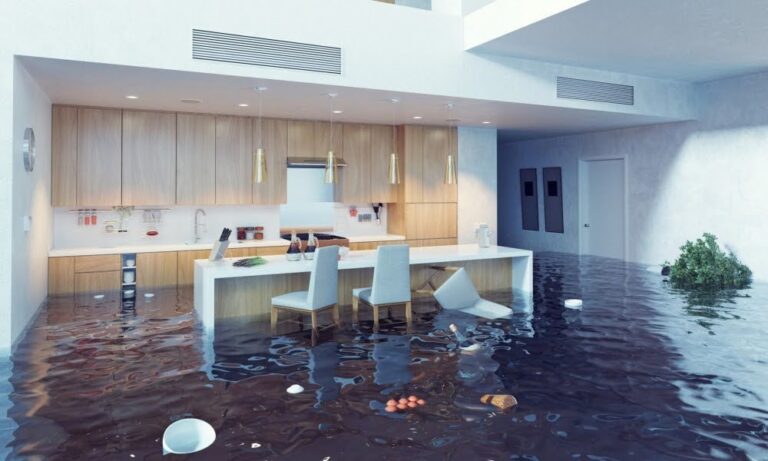
For many individuals, water damage can be a nuisance for homes, especially when living in a tight, compact space. While it may seem like an easy fix, where mopping can remove all the damage done, the reality of water damage goes much deeper than the surface you can see. Once moisture enters your home, it begins a relentless journey into your floorboards, behind your skirting boards, and deep into your furniture. As time passes, the liquid weakens the structural glue of your carpentry and seeps into porous concrete, resulting in a biological and structural threat that requires immediate intervention. Seeking emergency water damage restoration ensures that you address the moisture before it creates a permanent, costly headache for your household.
1. Preventing the Rapid Onset of Mould Growth
Singapore’s high humidity provides a perfect breeding ground for fungi, which only require a small amount of moisture to begin colonising your walls. Within 24 to 48 hours of a leak, invisible spores start to take root in damp drywall and timber. Waiting too long to call for emergency water damage restoration can turn the situation into a complex decontamination process. Professional teams use industrial-grade dehumidifiers to pull moisture out of the air and the structure, dropping the humidity levels below the threshold where mould can survive. This rapid response protects your family from respiratory irritants and prevents that lingering, musty smell that often haunts homes after a flood. Keeping the environment dry from the start is much easier than trying to scrub away an established fungal infestation weeks later.
2. Salvaging Your Expensive Built-In Carpentry
Most apartments in the city feature beautiful built-in wardrobes and kitchen cabinets made of particle board or plywood. These materials act like sponges when they come into contact with a leak, swelling and warping almost immediately. Once the wood fibres absorb enough liquid, they lose their shape and structural integrity, making them impossible to repair. By initiating emergency water damage restoration, you increase the chances of saving these fixtures rather than tearing them out. Specialist drying mats and injected air systems can draw moisture out of the wood before the glue fails. This intervention saves you thousands of dollars in renovation costs and prevents the heartbreak of losing your custom interior designs to a single plumbing mishap.
3. Protecting Your Electrical Systems and Appliances
Liquid and electricity create a dangerous combination that can lead to short circuits or even fire hazards if left unaddressed. Water damage often migrates through wall cavities where your wiring resides, potentially corroding connections or blowing your main circuit board. You might not see the moisture inside your power sockets, but the hidden dampness remains a serious safety risk. Professional restoration teams assess these hidden paths during the emergency water damage restoration process to ensure your home remains safe to inhabit. They use thermal imaging cameras to track the path of the moisture, identifying exactly where the liquid has travelled behind your walls. Ensuring your electrical system is dry and functional prevents long-term damage to your expensive home appliances and entertainment systems.
4. Avoiding Structural Degradation of Floorboards
Whether you have classic parquet or modern vinyl, your flooring is highly susceptible to the effects of standing liquid. Moisture trapped under floorboards causes cupping, where the edges of the planks rise higher than the centre, creating an uneven and hazardous surface. Without emergency water damage restoration, this moisture remains trapped indefinitely, eventually leading to rot in the subfloor. High-velocity air movers and specialised floor drying equipment can often pull this moisture through the planks without needing to rip the entire floor up. Acting fast preserves the aesthetic appeal of your home and maintains the flat, smooth surface you expect.
5. Simplifying the Insurance Claim Process
Dealing with the aftermath of a burst pipe is stressful enough without the added burden of complicated insurance paperwork. Most policies require homeowners to take reasonable steps to mitigate further water damage immediately after an incident. Engaging a professional for emergency water damage restoration provides you with the documentation and moisture readings you need to prove you acted responsibly. These experts provide detailed reports that show the extent of the saturation and the steps taken to dry the property, which leads to a smoother claims process. Having a professional on-site from the beginning gives you the peace of mind that every detail is being recorded for your protection.
Conclusion
Clarifying the situation around a home flood reveals that the first few hours determine the total cost of the recovery. When liquid enters your living space, it starts a chain reaction of decay that only professional equipment can stop. Addressing the problem through a structured restoration plan ensures that your home remains a safe and stable environment for your family. The transition from a chaotic, water-soaked room to a dry and sanitised home happens much faster when you act with urgency. Addressing the saturation immediately can prevent a minor leak from turning into a major renovation project, as your home deserves the best care to withstand the unexpected challenges of urban living and tropical weather.
Contact BELFOR to discover why emergency water damage restoration is crucial.