
Choosing new siding isn’t just about curb appeal-it’s about how your home holds up through humid summers, wind-driven rain, and the freeze-thaw cycles that North Jersey is known for. The “best” material depends on your priorities: durability, maintenance, budget, appearance, and how long you plan to stay in the home.
This guide compares fiber cement (often called Hardie Board), vinyl, and wood siding in a way that’s easy to scan, easy to understand, and useful when you’re evaluating estimates.
What North Jersey weather demands from siding
North Jersey siding needs to handle four main challenges:
- Moisture and humidity: summer humidity plus rain can encourage swelling, rot, and mold growth in vulnerable materials.
- Freeze-thaw cycles: water gets into small gaps, freezes, expands, and can worsen cracks or loosen joints over time.
- Wind-driven storms: strong gusts and rain can test fasteners, seams, and flashing details around openings.
- Sun exposure: UV rays gradually fade finishes and can warp lower-grade materials.
No siding material “wins” automatically-installation quality and moisture detailing (house wrap, flashing, ventilation) are often the deciding factors for long-term performance.
Fiber cement (Hardie Board): best for durability and long-term value
How it performs here: Fiber cement is built to resist rot, insects, and moisture-related damage. It’s also dimensionally stable, which helps it hold a crisp look through seasonal temperature swings.
Pros
- Excellent resistance to rot and pests
- Strong performance in wet and variable temperatures
- Holds paint well and looks sharp for years
- Fire-resistant compared with many alternatives
- Wide range of styles (lap, shingle, vertical panels)
Cons
- Higher upfront cost than vinyl
- Heavier material; installation is more specialized
- Repairs typically require a pro to blend seams and finishes well
Best fit for: Homeowners who want a premium look, strong durability, and a material that can boost resale value-especially on homes with detailed trim work.
If you’re exploring hardie board siding installation in Morris County NJ or hardie board siding installation in Passaic County NJ, look closely at the scope of work. The best results come from careful prep: proper flashing at windows/doors, correct clearances near roofs and decks, and consistent fastening patterns.
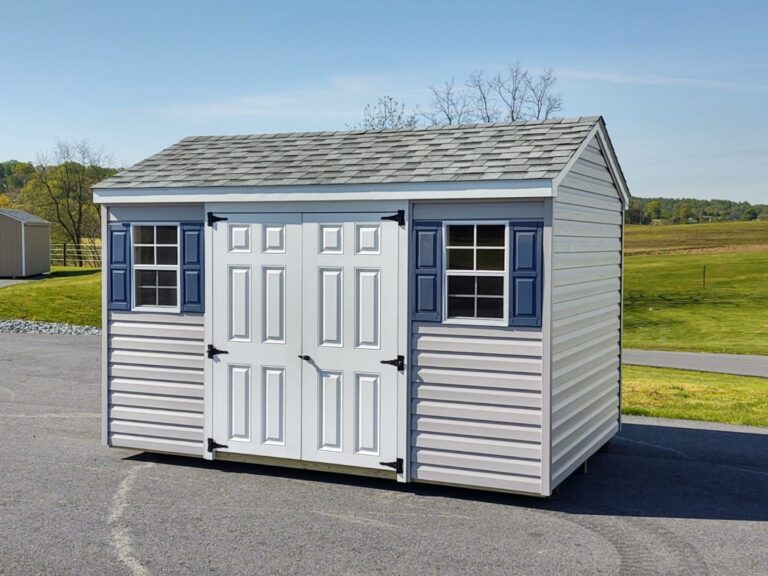
Vinyl siding: best for budget and low routine upkeep
How it performs here: Vinyl can do well in North Jersey if installed correctly with room to expand and contract. Poor installation-nailing too tightly or failing to account for movement-can cause buckling in warmer months.
Pros
- Typically the most affordable option
- Low routine maintenance (wash as needed)
- Many colors and profiles available
- Faster installation in many cases
Cons
- Can crack in extreme cold or after impact
- Color can fade over time, especially in full sun
- Lower-end vinyl can look less substantial up close
- Not ideal for homeowners seeking a high-end architectural finish
Best fit for: Homeowners prioritizing cost control and simple maintenance, particularly on straightforward façades without intricate trim.
Wood siding: best for classic character (with higher maintenance)
How it performs here: Wood looks beautiful, but it requires active maintenance in a climate with humidity and seasonal shifts. Moisture control is essential-especially near shaded areas, gutters, and ground contact points.
Pros
- Authentic, warm appearance that suits historic and traditional homes
- Easy to customize with stains or paint
- Can be repaired in sections if damage is localized
Cons
- Highest maintenance demands (painting/staining, spot repairs)
- Vulnerable to rot and insects without diligent upkeep
- Can swell, split, or warp if moisture intrudes
- Long-term costs can exceed other options due to maintenance cycles
Best fit for: Homeowners who love the look and are willing to maintain it consistently, or those restoring older homes where matching original materials matters.
Comparing lifespan, maintenance, and total cost
Here’s a practical way to think about it:
- Upfront cost (typical): Vinyl (lowest) → Wood (varies) → Fiber cement (higher)
- Maintenance effort: Vinyl (lowest) → Fiber cement (moderate) → Wood (highest)
- Durability in North Jersey climate: Fiber cement (strong) → Vinyl (good with proper install) → Wood (depends heavily on maintenance)
- Long-term value: Fiber cement often ranks high due to durability and premium appearance
Rather than focusing only on initial price, compare total cost of ownership: how often you’ll repaint, repair, or replace sections-and how the material will look 10-15 years from now.
What to ask your contractor before choosing a material
No matter what you pick, ask these questions during estimates:
- What moisture barrier and flashing details are included?
- Will you replace or repair damaged sheathing if found?
- How will corners, trim, and window/door openings be detailed?
- What clearances will be maintained from grade, roofs, and decks?
- What warranty applies to materials and workmanship?
- How will ventilation and drainage paths be protected?
A high-quality install can make a mid-range material perform well, while poor prep can shorten the life of even premium siding.
Choosing the best siding for your priorities
If you want the most durable, high-end look with strong performance in North Jersey’s weather, fiber cement is often the front-runner. If budget and simplicity are the priority, vinyl is frequently the practical choice. If you value traditional character and don’t mind maintenance, wood can still be the right answer.
If you tell me your home style (colonial, cape, split-level, etc.), whether you’re planning to stay 5 years or 20, and whether your lot has heavy shade or high wind exposure, I can recommend the best match and outline what the scope should include for that material.