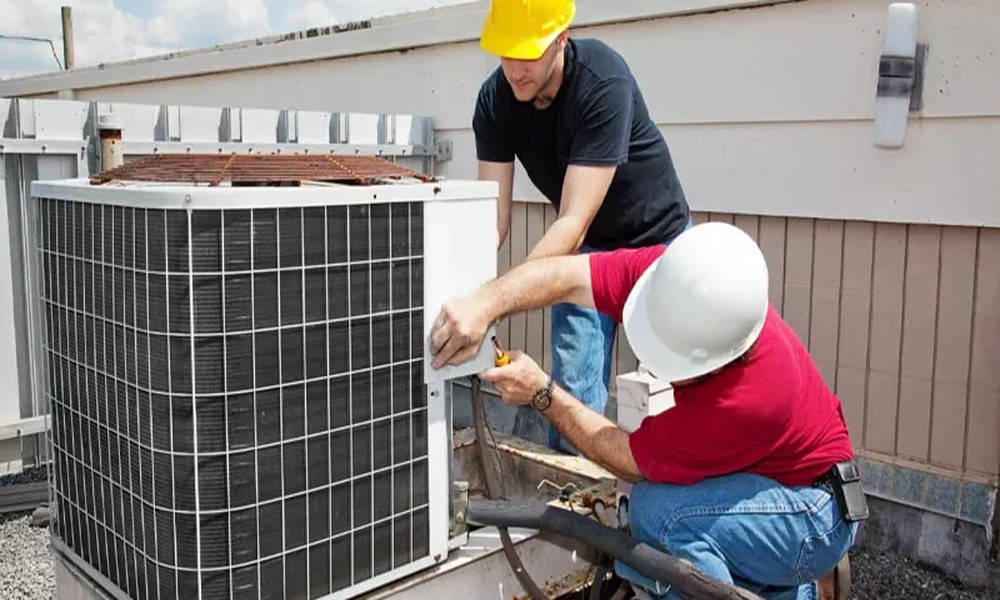

In the realm of commercial property, the performance of a building’s climate control infrastructure is paramount. Proper care of these complex systems directly influences operational expenditure, asset longevity, and the comfort of occupants. Neglecting this duty can have severe financial consequences.
Consider this compelling statistic: a poorly maintained 20-ton rooftop air conditioning unit typically fails after just nine years. In stark contrast, a well-maintained unit can reach or exceed its expected 14-year lifespan. This difference represents significant capital savings for any business investing in regular, preventive care.
These are not simple appliances. A modern commercial setup contains more than 100 interconnected parts. From air filters and blower components to sophisticated electrical connections, each element must work harmoniously. This coordination is essential for reliable performance and optimal indoor conditions.
This guide is designed for facility managers, building owners, and commercial property professionals. It provides the comprehensive guidance needed to prevent costly breakdowns, ensure regulatory compliance, and protect valuable business assets. The following sections present an actionable, frequency-based plan.
Adhering to a structured schedule is the cornerstone of energy-efficient operations. A meticulously serviced system consumes significantly less power, reduces an organisation’s carbon footprint, and supports broader sustainability goals. The result is a high-performing building with managed running costs.
Key Takeaways
- Proactive system care is critical for controlling operational costs and extending the service life of commercial climate control assets.
- Investing in regular preventive maintenance can add years to a unit’s lifespan, offering substantial long-term financial savings.
- Modern climate control systems are highly complex, with over 100 components requiring synchronised operation for peak performance.
- This resource offers facility managers and building owners a structured, actionable plan to safeguard their investment.
- A disciplined maintenance programme is intrinsically linked to improved energy utilisation and lower environmental impact.
- Following a scheduled checklist helps prevent unexpected failures, ensures compliance, and protects business continuity.
- Optimal system function supports occupant comfort, asset value, and the overall efficiency of a commercial property.
Overview of Commercial HVAC Maintenance
Ensuring year-round comfort and efficiency begins with a disciplined schedule of inspections and adjustments. This proactive philosophy focuses on preventing problems before they disrupt operations.
Importance of Proactive Inspections
Proactive hvac maintenance involves systematic checks, cleaning, and servicing. The goal is to identify minor issues early. Worn components, refrigerant leaks, or airflow restrictions can then be addressed.
Catching these concerns prevents major system failures. It also allows managers to schedule necessary repairs at convenient times. This avoids expensive emergency call-outs during peak demand.
Cost Benefits and Efficiency Gains
The financial advantages are clear. A well-maintained commercial hvac setup uses less energy, cutting utility bills. It also suffers fewer unexpected breakdowns.
This care directly extends the service life of expensive equipment. Efficiency gains come from clean heat exchangers, proper calibration, and lubricated parts. Together, they ensure peak performance.
Neglect has hidden costs. It leads to higher operating expenses and can compromise indoor air quality. A structured programme is an investment in reliability and savings.
Key Components of a Commercial HVAC System
A modern climate management system is a network of specialised parts working in concert. Its core groups include air handling, cooling, heating, electrical controls, and drainage. Understanding these components is the first step towards effective care.
Air Handling and Filtration
This subsystem manages indoor air quality and circulation. Air filters trap dust and contaminants. Blower assemblies then move the conditioned airflow throughout the building.
Ventilation parts introduce fresh outdoor air. They simultaneously exhaust stale indoor air. This process is vital for occupant health and comfort.
Cooling and Heating Elements
The cooling side often uses a refrigerant cycle. An evaporator coil absorbs indoor heat. A condenser coil then rejects that heat outdoors.
For heating, a heat exchanger transfers thermal energy from combustion gases. Alternatively, a heat pump can provide both heating and cooling functions. These are central to the system’s performance.
|
System Type |
Key Feature |
Ideal Application |
|
Rooftop Package Unit |
All components in one outdoor casing |
Single-storey retail, warehouses |
|
Split System |
Separate indoor and outdoor units |
Offices, smaller commercial spaces |
|
VRF System |
Simultaneous heating & cooling in different zones |
Large offices, hotels |
|
Chiller System |
Uses chilled water for cooling |
Large facilities, hospitals, campuses |
Daily and Weekly Maintenance Strategies
Catching minor irregularities early is the most cost-effective defence against major system failures. A disciplined regimen of simple, frequent checks forms the bedrock of any reliable preventive maintenance programme. Facility staff can perform these tasks to spot developing issues before they escalate.
Routine Visual Inspections
Daily visual checks are quick but vital. Staff should examine the thermostat display for error codes or unusual readings. Listen for abnormal sounds like grinding or rattling during operation.
Verify that airflow from supply vents feels consistent and strong. Look for water stains or active leaks around indoor equipment. These signs can indicate condensate drain problems or refrigerant leaks.
Weekly system checks ensure continued performance. Confirm all building zones are heating or cooling appropriately. Inspect outdoor and rooftop units for debris accumulation like leaves or litter.
Ensure condensate drain lines are flowing freely. Check for unusual odours from vents, which might signal mould or electrical concerns. These steps help maintain indoor air quality and prevent potential damage.
Regular attention to air filters is critical. Clogged filters restrict airflow by up to 15%, forcing the hvac equipment to work harder. This increases energy use by 10-15% and strains components.
Follow replacement guidelines based on filter thickness. One-inch filters typically need changing every 1-3 months. Two-inch filters last 2-4 months, and four-inch filters 4-6 months. High-traffic environments require more frequent changes.
Always install new filters with the airflow arrow pointing correctly. Document each replacement date in a simple log. This creates accountability and establishes a performance baseline for the entire hvac system.
Monthly and Seasonal HVAC Maintenance Tasks
The changing demands of the British climate necessitate a shift in maintenance focus throughout the year. Preparing a climate control system before peak seasons ensures reliable performance when demand is highest. This proactive approach prevents breakdowns during extreme weather and optimises energy efficiency.
Spring and Summer Preparations
Before the cooling season begins, a thorough inspection is key. Replace air filters and have a professional check refrigerant levels. Clear condensate drain lines and pans to prevent overflow and water damage.
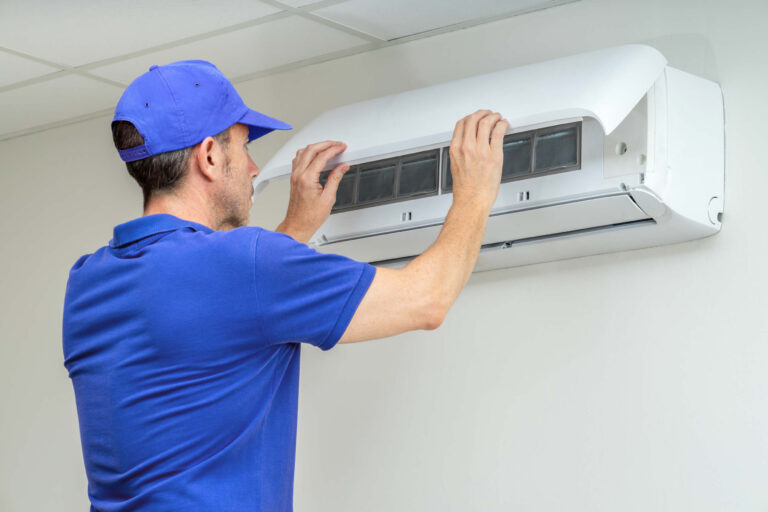
Remove any debris from around outdoor condenser units. Verify proper airflow and clean blower assemblies. Inspect ductwork for accumulated dust or biological growth that can affect indoor air quality.
Fall and Winter Readiness
As fall approaches, shift focus to heating readiness. Replace filters and professionally inspect burners, heat exchangers, and ignition systems. Testing gas pressure and combustion efficiency is crucial for safety.
Check flue systems for proper venting and secure all furnace attachments. Insulate any exposed pipes to prevent freezing damage during winter. This preparation safeguards occupant comfort and equipment longevity.
|
Season |
Primary Goal |
Key Action Items |
|
Spring |
Cooling System Readiness |
Filter replacement, refrigerant check, outdoor unit cleaning. |
|
Summer |
Operational Monitoring |
Monitor drainage, check refrigerant performance, keep units clear. |
|
Fall |
Heating System Readiness |
Inspect burner & heat exchanger, test combustion, insulate pipes. |
|
Winter |
Heating Protection & Performance |
Protect outdoor equipment from ice, monitor heating output, check flues. |
Schedule these seasonal tasks well before weather extremes arrive. This allows time to address any issues found during inspections. It avoids the rush of emergency calls when unprepared systems fail on the first hot or cold day.
Commercial HVAC Maintenance Checklist for Energy-Efficient Building Management
Sustaining peak efficiency demands adherence to a planned regimen, categorised by how often each task should occur. This structured reference ensures no critical activity is overlooked.
General duties form the foundation. Regularly inspect and replace air filters to maintain proper airflow. Verify thermostat settings for consistency.
Tighten all electrical connections to prevent hazards. Lubricate moving parts to reduce wear. Check for leaks in lines and drains.
Test system controls for proper operation. Schedule cleaning of condenser and evaporator coils. Dust buildup forces equipment to work harder.
Monthly tasks focus on prevention. Follow filter protocols based on type and environment. Inspect belts for tension and monitor all building zones.
Quarterly professional service is essential. Technicians should verify refrigerant levels and pressures. They test electrical components and assess mechanical parts.
An annual comprehensive analysis evaluates overall system performance. It includes efficiency checks and compliance verification. This systematic approach safeguards energy use and asset longevity.
Utilising Technology for Maintenance Tracking
To transform reactive fixes into a predictable programme, many operations now implement specialised software. Computerised Maintenance Management Systems (CMMS) provide the digital backbone for modern, proactive care.
Role of CMMS Software in Scheduling
This technology automates the entire scheduling process. It generates work orders based on time or runtime, sending reminders to technicians before tasks are due.
Completion is tracked digitally, creating a permanent record. This record forms a comprehensive service history for each piece of equipment.
Such histories are invaluable. They reveal reliability trends and help ensure warranty compliance. This data-driven approach is central to optimising maintenance intervals.
Beyond scheduling, CMMS platforms streamline resource management. They track spare parts inventory and help coordinate vendor visits. This provides clear visibility into costs and labour deployment.
The true power lies in analytics. These systems track key performance and energy efficiency metrics. Analysing this data can forecast potential equipment failures before they occur.
This predictive capability enables proactive interventions. It prevents unexpected breakdowns and extends asset life. For any commercial building, it represents a significant leap in management sophistication.
Expert Guidelines from Abercorn Heating Ltd
The most effective maintenance strategies blend routine facility checks with deep technical assessments by qualified professionals. This layered approach ensures both immediate reliability and long-term system health.
Abercorn Heating Ltd provides this essential expert oversight. Their comprehensive inspections go beyond basic tasks to evaluate all major components.
Professional System Inspections
These detailed evaluations cover both cooling and heating functions. For cooling, technicians verify refrigerant charge and check for leaks. They test electrical connections and analyse motor performance.
Heating inspections include examining heat exchangers and verifying safe burner operation. Gas pressure and carbon monoxide levels are tested. This thorough process identifies potential issues long before they cause breakdowns.
Qualified Technician Interventions
Complex diagnostics and calibrations require a specialist’s skill. Tasks like combustion analysis or control system programming are not suitable for general staff.
Abercorn Heating Ltd employs certified technicians with the right tools and knowledge. Their interventions ensure optimal efficiency and safety for your hvac system.
Each professional service visit concludes with a detailed report. This document provides clear recommendations for any necessary repairs. It also updates the equipment’s maintenance history, supporting informed management decisions.
Insider Tips by Abercorn Heating
Practical wisdom, honed over countless service calls, reveals that proactive care is less about complexity and more about diligence. The team at Abercorn Heating distils years of field experience into actionable insights for facility managers.
These principles help avoid common pitfalls and optimise the effectiveness of any preventive programme. The goal is superior results-reliability, savings, and occupant well-being.
Maintenance Best Practices
Establishing a clear, documented schedule is non-negotiable. It specifies daily, monthly, and seasonal tasks, ensuring no critical component is overlooked. This structure is the backbone of comprehensive system care.
Proper maintenance directly slashes energy costs. Clean air filters, correct refrigerant charge, and calibrated controls allow equipment to run at peak efficiency. Neglect forces systems to work harder, inflating utility bills.
Abercorn Heating‘s approach catches small problems early. Loose connections or slight refrigerant loss are addressed during routine checks. This prevents them from escalating into costly breakdowns and major repairs.
Consistent care extends equipment life dramatically. It reduces wear, prevents corrosion, and keeps heat exchange surfaces clean. This collective effort helps commercial hvac units reach their full service potential.
Indoor air quality depends on clean ducts, proper filters, and controlled humidity. Regular attention here prevents the spread of allergens, safeguarding occupant comfort and health.
“Schedule your cooling tune-up in early spring and your heating check in early autumn. This avoids the emergency call rush during the first heatwave or cold snap.”
|
Proactive Practice |
Direct Benefit |
Long-Term Impact |
|
Strict Filter Schedule |
Optimal airflow & air quality |
Lower energy consumption & fan motor strain |
|
Seasonal Professional Inspection |
Catches minor problems early |
Prevents catastrophic failure & extends asset life |
|
Comprehensive Component Cleaning |
Restores system performance |
Maintains design efficiency and capacity |
|
Documented Maintenance History |
Informs future service decisions |
Supports warranty claims & budget planning |
Minimising downtime requires this proactive mindset. Scheduled work during off-peak hours, a critical spares inventory, and trusted provider relationships ensure business continuity. Following the guidance from Abercorn Heating transforms hvac maintenance from a cost into a strategic investment.
Conclusion
Ultimately, the value of a structured maintenance regimen is measured in sustained performance and controlled costs. Systematic preventive care, guided by a detailed checklist, represents a strategic investment. It delivers substantial returns through lower energy bills, prevented breakdowns, and extended equipment life.
An effective programme combines daily monitoring, seasonal preparations, and professional inspections. For a typical small business, this approach yields annual savings of £1,700 to £3,400. The modest cost of comprehensive service is quickly offset.
Facility managers should implement and adapt the provided plan to their specific building needs. Consistency is crucial; benefits accrue over time with regular execution.
While many tasks suit facility staff, complex procedures require qualified technicians. Their expertise ensures safety and guarantees optimal system efficiency. This layered approach is the foundation of reliable commercial climate system operation.
FAQ
How often should a commercial building’s air conditioning and heating equipment be professionally serviced?
It is generally recommended that these complex systems undergo a professional inspection and tune-up at least twice a year, typically in the spring and autumn. This biannual schedule ensures the equipment is prepared for the peak demands of summer cooling and winter heating, helping to maintain optimal performance and prevent unexpected breakdowns.
Can regular upkeep really reduce a company’s operational bills?
Absolutely. A well-maintained system operates much more efficiently, consuming less energy to provide the same level of heating or cooling. This directly translates to lower utility costs. Furthermore, proactive care helps avoid costly emergency repairs and extends the overall service life of the capital equipment, offering significant long-term savings.
What are the most critical checks for ensuring efficient airflow and indoor air quality?
The inspection and replacement of air filters is paramount. Clogged or dirty filters restrict airflow, forcing the system to work harder and compromising air quality. Technicians also check and clean blower components and ductwork to ensure unobstructed airflow, which is crucial for both comfort and energy conservation.
What specific tasks are involved in preparing a system for the summer season?
Summer preparations focus on the cooling side. A specialist will clean the condenser coils, check refrigerant levels and pressure, ensure the condensate drain is clear, and inspect electrical connections and belts. This prevents issues like reduced cooling capacity, water damage, and component wear during periods of high use.
Why is it essential to hire qualified engineers for servicing?
Complex commercial setups require expert knowledge for safe and correct servicing. Qualified engineers from a firm like Abercorn Heating Ltd possess the training to accurately diagnose issues, handle refrigerants safely, and perform adjustments that maximise efficiency. Their intervention ensures work is done to industry standards, protecting your investment and building occupants.