

Key Takeaways
- Curtains create a softer visual effect while blinds suit compact layouts.
- Blinds offer more precise light control compared to standard curtains.
- Material choice affects maintenance, insulation, and privacy levels.
Introduction
Choosing between curtains and blinds in Singapore often begins with balancing space, light, and upkeep within a typical home layout. Many homeowners approach this decision while furnishing a new space or updating an existing room, only to realise that each option behaves differently under daily conditions. Curtains and blinds in Singapore influence how natural light enters a room, how privacy is maintained, and how easily the space can be cleaned and maintained over time. In apartments where every design decision affects comfort and usability, this choice becomes more than a visual preference. Understanding how each option responds to daily routines helps homeowners avoid adjustments later.
1. Visual Presence and Space Perception
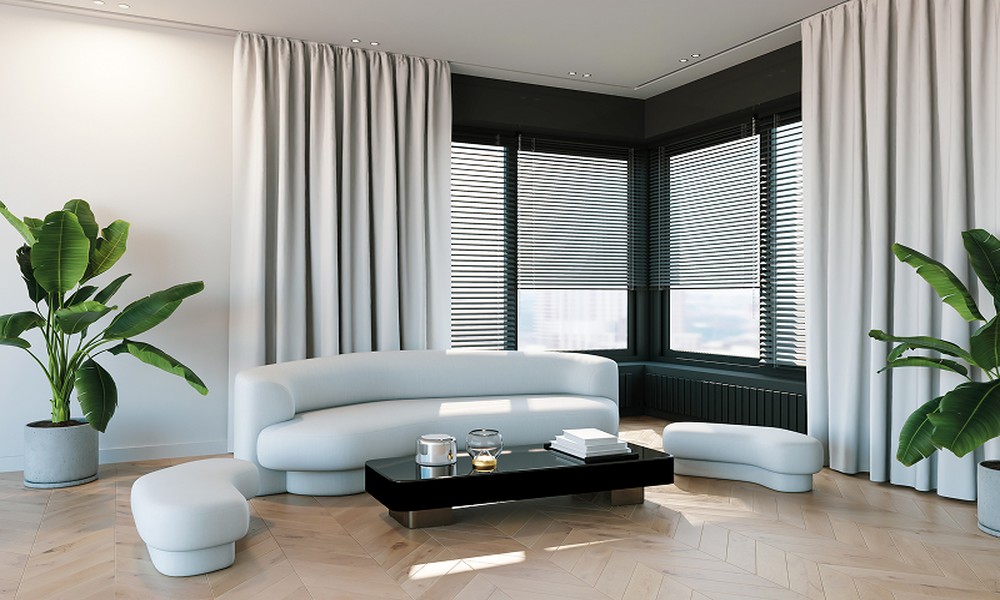
Curtains introduce a layered look that adds depth and softness to a room, especially when paired with full-length fabric panels. This approach works well in spaces where a more relaxed or decorative finish is preferred. Fabric folds create movement and texture, which can make a room feel more inviting, particularly in living areas or bedrooms. Blinds, by contrast, sit closer to the window frame and create a cleaner outline that supports a more structured interior. In smaller homes, this difference can influence how open or compact a room feels. Choosing between them often depends on whether the goal is to soften the space or maintain a streamlined look.
2. Control Over Natural Light
Light management plays a central role in how comfortable a room feels throughout the day, especially in a climate where sunlight can be intense. Blinds allow users to adjust slats or layered panels to control how much light enters without fully blocking it. This flexibility supports gradual transitions from bright daylight to softer indoor lighting. Curtains usually operate in wider movements, which means they shift between open and closed positions with less variation in between. While sheer layers can offer some balance, they still do not provide the same level of precise control. This difference becomes more noticeable in rooms used throughout the day, where lighting needs to change frequently.
3. Cleaning and Maintenance Requirements
Singapore’s humid environment affects how materials respond to dust and moisture, which makes maintenance an important factor in everyday use, and this is where guidance from a curtain shop in Singapore becomes especially relevant. Curtains often require periodic cleaning to maintain their appearance and freshness, particularly when they absorb odours or collect dust over time. Depending on the fabric, this may involve professional cleaning or careful washing. Blinds typically allow for quicker surface cleaning, as users can wipe them down without removing the entire fixture. However, designs with multiple slats may collect dust in narrow spaces, which requires regular attention. Considering how much time a household can commit to upkeep helps determine which option fits more comfortably into daily routines.
4. Privacy and Coverage Consistency
Privacy expectations vary depending on the location of the home and the direction windows face. Curtains provide more consistent coverage when drawn fully, especially when installed across the entire width of a wall. This creates a continuous barrier that limits visibility from outside. Blinds can also offer privacy, yet small gaps near the edges or between slats may allow limited visibility under certain angles. This difference becomes more relevant in bedrooms or street-facing spaces where privacy needs remain constant. Homeowners often weigh how much coverage they need throughout the day before deciding which solution meets their expectations.
5. Insulation and Noise Control
Window treatments also contribute to how a room handles heat and external noise, which directly affects comfort levels. Heavier curtain fabrics can reduce the amount of heat entering a space during the day, which helps maintain a more stable indoor temperature. They can also soften outside noise, creating a quieter environment that supports rest or focused activities. Blinds offer less material coverage, which limits their ability to provide the same level of insulation. While they still serve a functional purpose, they do not absorb sound or block heat to the same extent. This factor becomes particularly important in homes exposed to strong sunlight or consistent urban noise.
Conclusion
Curtains and blinds each respond differently to the practical needs of a home, shaping how light, privacy, and maintenance are managed on a daily basis. When homeowners understand how these differences affect their routines, they can make choices that align with both their living environment and long-term preferences. Selecting the right option involves recognising how each feature contributes to overall comfort rather than focusing on appearance alone.
Contact De Art Studio to explore curtain and blind options that suit your home’s layout and daily living needs.