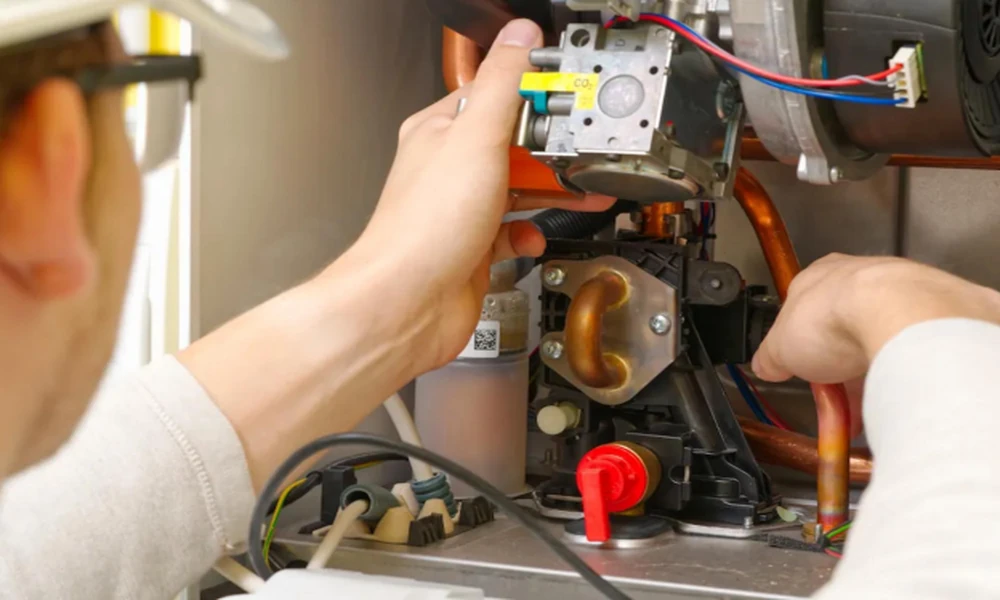

Your furnace is one of the biggest investments in your home’s comfort, quietly keeping your family warm throughout the colder months. While it’s built to provide years of reliable performance, it won’t last forever. Like any mechanical system, a furnace experiences wear every time it runs, and its lifespan depends largely on how well it’s maintained. If you begin noticing unusual noises, uneven heating, or declining performance, scheduling professional furnace repair Warner Robins, GA can help resolve small issues before they lead to more extensive damage or shorten the life of your heating system.
Understanding how long a furnace should last, what affects its longevity, and when it’s time to consider replacement can help you make informed decisions about your home’s heating system. With the right care, many furnaces continue operating efficiently for well over a decade while keeping repair costs under control.
How Long Does a Furnace Typically Last?
Most gas furnaces have an average lifespan of 15 to 20 years, while electric furnaces can often last between 20 and 30 years because they contain fewer moving parts. However, these estimates are only general guidelines. The actual lifespan of any furnace depends on several factors, including installation quality, maintenance history, usage patterns, climate, and the overall condition of the system.
A furnace that receives regular professional maintenance and prompt repairs will typically outlast one that is neglected. Even high-quality equipment can wear out prematurely if small problems are ignored or routine servicing is skipped. On the other hand, a properly maintained system may continue providing dependable heating well beyond its expected lifespan.
What Factors Affect Furnace Lifespan?
Several factors determine how long your heating system will continue operating efficiently. One of the most important is regular maintenance. Annual inspections allow HVAC professionals to clean internal components, identify worn parts, and correct minor issues before they become major repairs. This preventive care reduces unnecessary strain on the system and helps it run more efficiently.
Air filter replacement also plays a significant role. Dirty filters restrict airflow, forcing the furnace to work harder to heat your home. Over time, this added workload places extra stress on the blower motor and other components, accelerating wear and reducing efficiency.
The quality of the original installation matters as well. A furnace that is properly sized and correctly installed is less likely to experience performance problems. Systems that are too large or too small for the home often cycle improperly, increasing wear and shortening their service life.
Signs Your Furnace Is Beginning to Age
Even if your furnace is still producing heat, there are often warning signs that it may be approaching the end of its lifespan. One of the first indicators is a noticeable decline in efficiency. If your energy bills continue rising despite similar heating habits, your furnace may be working harder than it once did.
You may also notice uneven temperatures throughout the home. Some rooms may remain colder than others, or the furnace may need to run much longer to maintain the desired temperature. These changes often indicate that aging components are no longer operating at peak performance.
Unusual noises such as banging, rattling, squealing, or grinding can also signal worn mechanical parts. While some issues can be repaired, repeated mechanical problems may suggest that the system is nearing the end of its useful life.
Why Routine Maintenance Makes a Difference
Regular maintenance is one of the most effective ways to extend the lifespan of a furnace. During an annual service appointment, HVAC technicians inspect critical components, clean burners, check electrical connections, test safety controls, and verify that the system is operating efficiently.
These inspections often uncover small issues that homeowners may not notice, such as loose electrical connections, worn belts, or airflow restrictions. Correcting these problems early prevents additional wear on other components and reduces the risk of unexpected breakdowns during the heating season.
Routine maintenance also helps the furnace maintain its energy efficiency. A clean, properly adjusted system requires less energy to heat your home, reducing both operating costs and long-term mechanical stress.
When Repairs Are Worth Making
Not every furnace problem means replacement is necessary. In many cases, repairing a worn component can restore reliable performance and add several more years to the system’s life. Replacing ignition components, blower motors, sensors, thermostats, or control boards is often far less expensive than installing a new furnace.
Repairs generally make sense when the furnace is relatively young, has been well maintained, and the repair cost is reasonable compared to the value of the equipment. Addressing problems quickly also helps prevent additional damage that could affect other parts of the system.
Working with an experienced HVAC technician allows homeowners to make informed decisions based on the overall condition of the furnace rather than focusing on a single repair.
When Replacement Becomes the Better Option
As furnaces age, repair costs often become more frequent and more expensive. If your system requires repeated repairs within a short period, replacement may become the more practical long-term investment.
Older furnaces are typically less energy efficient than today’s models, meaning they consume more fuel while producing less consistent comfort. Modern high-efficiency furnaces offer improved temperature control, quieter operation, and lower monthly utility bills, making replacement an attractive option for many homeowners.
A professional inspection can help determine whether continued repairs remain financially worthwhile or if upgrading to a new system will provide greater value over time.
Simple Ways to Extend Your Furnace’s Life
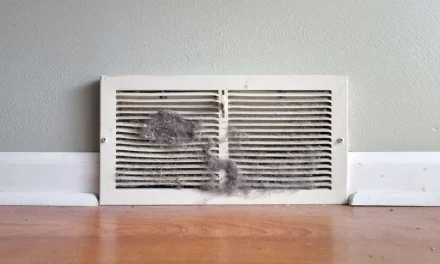
Although some wear is unavoidable, homeowners can take several simple steps to maximize the lifespan of their heating system. Replacing air filters regularly helps maintain proper airflow and reduces unnecessary strain on the blower motor. Keeping supply and return vents free from obstructions allows warm air to circulate efficiently throughout the home.
Scheduling annual maintenance before each heating season ensures the system is cleaned, inspected, and adjusted for optimal performance. It’s also important to pay attention to changes in operation. Unusual noises, inconsistent heating, or higher utility bills should never be ignored, as early repairs often prevent much larger problems later.
Maintaining a consistent thermostat setting rather than making constant temperature adjustments can also reduce unnecessary cycling and minimize wear on the furnace over time.
Final Thoughts
A furnace is designed to provide many years of dependable comfort, but its lifespan depends largely on how well it is cared for throughout its service life. While most furnaces last between 15 and 20 years, proper maintenance, timely repairs, and good operating habits can often extend their performance well beyond those averages.
Understanding the warning signs of an aging furnace allows homeowners to address small issues before they become costly failures. Whether your system only needs routine maintenance, a repair, or is approaching the point where replacement makes more sense, taking action early helps maintain reliable comfort, improve energy efficiency, and protect your investment for years to come.