
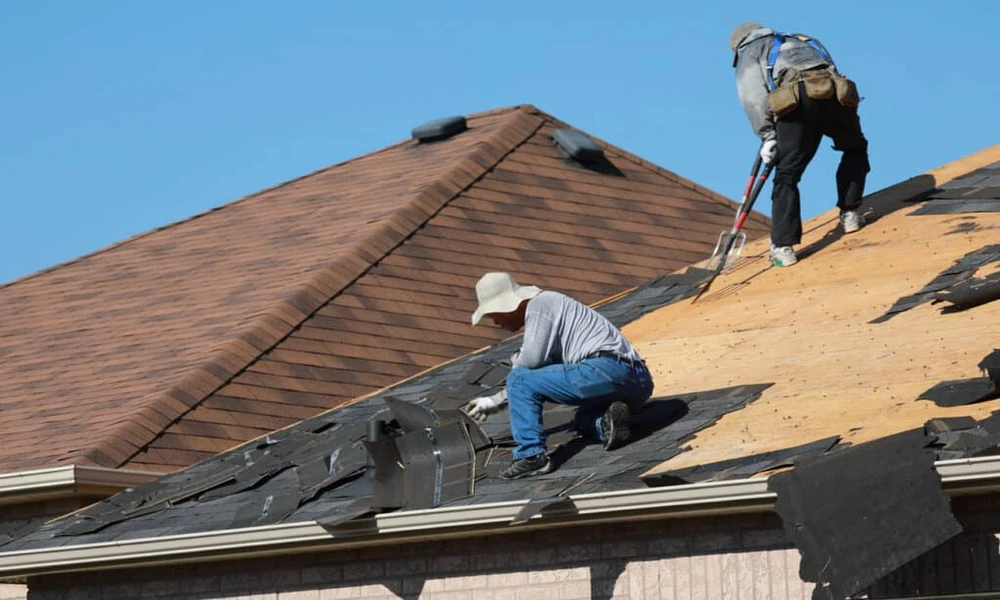

A successful roofing project is usually determined well before the first new shingle or membrane is installed. In northern Louisiana, roofers have to account for intense summer heat, frequent thunderstorms, heavy rainfall, straight line winds, hail, and occasional tornadoes. Those conditions make inspection, moisture control, fastening, flashing, drainage, and weather timing as important as the visible roof covering. The goal is not simply to put new material on a building, but to identify why the existing system failed and rebuild the vulnerable areas correctly.
Based in Monroe, Allied Roofing provides residential, commercial, and 24 hour emergency roofing, including installation, repairs, replacement, asphalt shingles, metal roofing, TPO systems, and work involving flashing, structural problems, storm damage, leaks, and gutter to roof junctions. Its website lists service throughout Monroe and West Monroe as well as Louisiana markets including Shreveport, Alexandria, Delhi, Mansfield, Winnfield, Jonesboro, Baton Rouge, and Lafayette. That broad range is particularly relevant after storms, when the correct response can vary from temporary weather protection to localized repair or complete replacement.
Step One Starts With the Failure, Not the Material
Initial assessment: The first professional task is determining what the roof is actually doing wrong.
A leak does not automatically mean the roof covering has reached the end of its life. Water may enter through flashing, a pipe penetration, deteriorated sealant, a damaged valley, loose metal, or a membrane seam.
Storm assessment: Wind and hail require a different inspection pattern.
Loose shingles, creased tabs, impact marks, exposed fasteners, displaced flashing, damaged ridge material, and punctured membranes can all reveal storm effects. Commercial roofs also require attention around parapets, rooftop equipment, seams, drains, and penetrations.
The local weather history supports that level of scrutiny. The National Weather Service Shreveport climate information notes that severe local storms in the region can include hail, tornadoes, and damaging winds, with the greatest frequency generally occurring during spring and another active period around late fall and early winter.
Step Two Separates Repairable Areas From Systemic Failure
Localized defect: A repair makes sense when damage is confined and the surrounding roof remains serviceable.
Examples include a failed pipe boot, limited flashing problem, a small area of storm damaged shingles, or an isolated commercial membrane defect.
Systemic condition: Replacement becomes more reasonable when deterioration is widespread.
A roof with repeated leaks, extensive shingle aging, numerous repairs, deteriorated decking, or widespread storm damage may cost more to keep patching than to correct comprehensively.
This distinction is important because a repair crew and a replacement crew may initially see the same symptom but arrive at very different scopes after examining the surrounding assembly.
| Workflow stage | What is being checked | What it can change |
|---|---|---|
| Initial inspection | Leak source, storm damage, surface condition | Repair versus replacement |
| Deck review | Rot, moisture, structural integrity | Sheathing and structural work |
| Material planning | Shingle, metal, or membrane suitability | System specification |
| Detail planning | Flashing, valleys, penetrations, edges | Water and wind resistance |
| Permit review | Scope, jurisdiction, inspections | Schedule and documentation |
| Installation | Fastening, seams, flashing, drainage | Long term performance |
| Final review | Cleanup, details, completed work | Closeout and future maintenance |
Step Three Looks Beneath the Surface
Roof deck: The deck provides the structural surface that supports the roofing assembly.
During replacement, removing the old material exposes conditions that could not be confirmed from above. Soft plywood, deteriorated boards, previous patching, moisture staining, or weak attachment may require correction before installation continues.
Structural issue: Not every irregular roof surface is a shingle problem.
Sagging areas can indicate damaged decking or deeper framing concerns. Installing new roofing over an unresolved structural defect can hide the symptom without solving the cause.
Commercial substrate: Low slope roofs require similar attention.
Wet insulation beneath a TPO system can extend far beyond the visible leak location. Depending on the findings, contractors may need to remove affected material rather than simply weld a patch over the surface.
Step Four Matches the System to the Building
Asphalt shingles: These remain a practical choice for many steep slope residential roofs because individual areas can be repaired and complete replacement is relatively straightforward.
Installation quality still matters. Starter courses, nail placement, valleys, ridge components, underlayment, and flashing all contribute to wind and water resistance.
Metal roofing: Metal offers a different performance profile.
Panels can provide long service life and strong weather resistance, but thermal movement, fastening, seams, penetrations, and transitions must be detailed correctly. A metal roof is not simply an asphalt installation using a different surface material.
TPO membrane: TPO is primarily associated with commercial and other low slope roofs.
Here, heat welded seams, drainage, penetrations, rooftop equipment, edge details, and membrane attachment become central to performance.
Step Five Plans the Details That Usually Cause Leaks
Flashing: Flashing moves water safely around changes in the roof.
Chimneys, walls, curbs, vents, valleys, and other transitions require more planning than open roof areas. Reusing unsuitable flashing simply because it is already present can undermine an otherwise new system.
Roof edge: The perimeter is particularly important during strong winds.
Wind pressure can exploit poorly secured edges and begin progressive damage from there.
Gutter junction: Gutters and roofs function as connected drainage components.
Problems near eaves may involve drip edge placement, deteriorated fascia, backed up gutters, or water moving behind the gutter rather than a defect farther up the roof.
Behind the scenes, these small areas often receive more attention than large uninterrupted fields because they concentrate transitions and water movement.
Step Six Clears Permits and Inspection Requirements
Permit: Roofing permits are now a significant part of Louisiana project planning.
The City of Monroe Inspections and Permitting Department states that Louisiana law requires permits and inspections for residential and commercial roof construction and reroofing for applicable projects that began on or after August 1, 2025. The city also notes updated contractor licensing requirements affecting residential roofing work.
Current code: Monroe updated its adopted construction standards in late 2025 to include the 2021 International Building Code and 2021 International Residential Code.
That means a professional workflow needs to identify the property’s jurisdiction, determine the applicable permit requirements, and schedule required inspections instead of treating permitting as paperwork added after installation.
Step Seven Controls Weather Exposure During Installation
Tear off: Removing roofing temporarily reduces the building’s weather protection.
Crews therefore need to coordinate how much material is removed with the day’s forecast and how quickly the exposed area can be dried in.
Temporary protection: Emergency tarping and other temporary measures serve a different purpose.
They limit additional water intrusion until permanent work can be performed safely. Temporary protection is particularly important after regional storms when repair schedules and material availability may be stretched.
Commercial scheduling: Large low slope projects require additional planning because leaving broad sections exposed can create substantial water risk if thunderstorms develop.
Step Eight Finishes With Verification, Not Appearance
Completion check: A finished roof should be examined for details that are easy to miss from the ground.
That includes flashing, penetrations, ridge components, exposed fasteners, membrane seams, edge details, debris removal, and drainage paths.
Performance check: The roof must do more than look uniform.
A technically sound installation manages water, resists expected wind forces, allows appropriate drainage, and integrates properly with the building beneath it.
This behind the scenes process explains why roofing quality cannot be judged by shingles or panels alone. Inspection defines the problem, hidden conditions determine part of the scope, the building determines the appropriate material, codes shape installation, and workmanship controls how all of those components operate together.
In Louisiana’s demanding storm climate, the visible roofing material is only the final layer of that process. The decisions made before and during installation are what determine whether the finished roof is simply new or genuinely prepared for the conditions it is likely to face.