

Key Takeaways
- Early detection of mould can prevent it from spreading to your furniture, clothing, and air conditioning systems.
- Professional remediation includes air scrubbing technology to remove invisible spores from your living environment.
- Proper home maintenance, including regular AC servicing, is vital for preventing fungal outbreaks in tropical climates.
Introduction
Many homeowners overlook the importance of indoor air quality until they start experiencing unexplained health symptoms. Frequent sneezing, watery eyes, and persistent coughs are often linked to the presence of fungal spores in the home. If you suspect that your property has a dampness issue, hiring mould inspectors is a crucial step in safeguarding your family’s well-being. These experts can identify problem areas that are not visible to the naked eye, such as the back of drywalls or under floorboards, ensuring that every corner of your home is accounted for.
1. The Science of Mould Growth
Mould requires three main things to thrive: moisture, a food source like dust or wood, and stagnant air. In Singapore, the natural humidity provides more than enough moisture for mould to settle on almost any surface. Once it takes hold, it can spread rapidly through your ventilation system, contaminating multiple rooms in a short space of time. This is why a quick response is so important. Understanding the biological nature of mould helps you realise why simple surface cleaning is rarely enough to solve a serious infestation.
2. Selecting the Right Remediation Partner
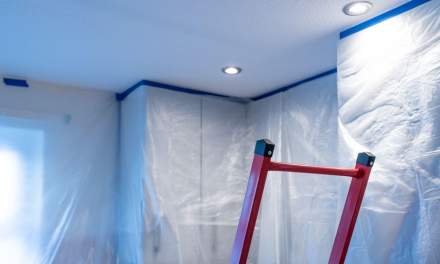
When the infestation is widespread, it is time to call in a professional mould removal company. These specialists follow strict protocols to contain the affected area, preventing cross-contamination to clean parts of your home. They use specialised chemicals that kill the roots of the mould, ensuring it doesn’t just grow back as soon as you stop cleaning. Furthermore, they can provide advice on how to improve the layout of your furniture or the use of your ventilation system to create an environment that is hostile to future fungal growth.
3. The Role of Technology in Detection
Modern detection methods have come a long way from just looking for black spots. Experts now use laser particle counters to measure the density of spores in the air and thermal cameras to find “cold spots” where condensation is likely to occur. These tools allow for a much more accurate assessment of the risk level in your home. By using these advanced methods, you can be sure that you are not just treating the symptoms, but actually addressing the environmental factors that are allowing the mould to flourish in your specific living space.
4. Practical Steps for Homeowners
While professionals handle the heavy lifting, there are many things you can do to keep your home mould-free. Keeping wardrobes slightly open to allow for airflow and using moisture absorbers in dark corners can make a noticeable difference. It is also wise to wipe down surfaces in the bathroom after use to remove excess water. If you have experienced a water leak or flooding, it is essential to dry the area completely within 24 to 48 hours. Being vigilant about moisture is your most effective long-term strategy for a healthy home.
Conclusion
A healthy home is a foundation for a happy life, and keeping it free from mould is a top priority. By engaging with professional mould inspectors, you take a proactive stance against hidden health hazards. Should an issue be found, relying on a reputable mould removal company ensures the job is done right the first time. Protecting your family from the effects of spores requires a combination of expert help and consistent home maintenance. Take control of your indoor environment today to ensure a safe and breathable space for years to come.
Contact Mould Guru to restore the air quality in your home.