
Key Highlights
- Ceiling stains usually indicate hidden moisture problems above the surface.
- Peeling paint and sagging ceilings may point to worsening water damage.
- Damp smells can signal long-term leakage behind walls and ceilings.
- Fast repairs help reduce structural and electrical risks indoors.
Introduction
Ceiling leaks rarely appear without warning signs. Small stains, damp smells, and peeling paint often develop gradually before visible water drips begin affecting indoor spaces. Delayed action usually causes moisture to spread further into ceilings, walls, insulation, and electrical areas.
Heavy rainfall, damaged plumbing lines, and roofing issues commonly contribute to hidden leaks above residential ceilings. Ceiling leak repair in Singapore becomes increasingly important once water damage starts affecting structural materials and interior finishes. Quick inspections usually prevent larger restoration work that may become far more expensive later.
Water Stains Growing Across the Ceiling
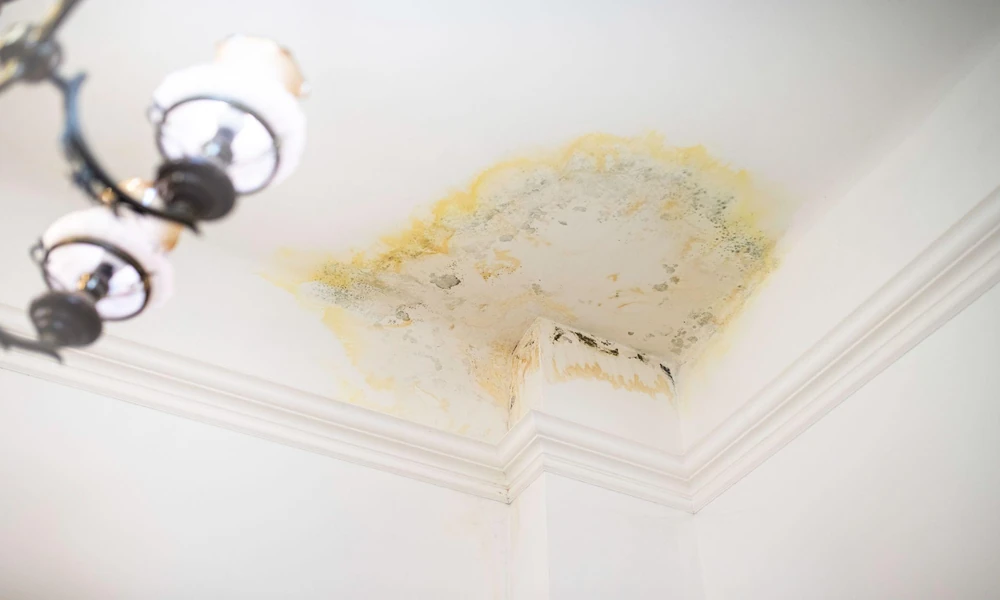
Discoloured brown patches spreading across plasterboard are clear signs that moisture is trapped directly above the room. Water slowly pools on the top side of the panels, gradually soaking through the material until it creates noticeable, unsightly rings. New blemishes often expand rapidly if a pipe upstairs continues to weep.
Homeowners sometimes ignore light discolouration because the surface feels dry to the touch, but dampness stays hidden behind paint layers. Property owners can avoid massive restoration bills by arranging a professional ceiling leak repair in Singapore before structural panels soften completely. Getting a specialist to locate the source prevents recurring marks on walls.
Neglecting the problem eventually weakens the structural integrity of plasterboard, creating a breeding ground for nasty black mould. Taking care of patches quickly saves plenty of hassle later.
Peeling Paint and Sagging Ceiling Surfaces
Flaking paint and bubbling plaster usually mean water has been pooling behind ceiling surfaces for quite a while. Constant moisture destroys adhesive bonds, causing heavy sheets of plasterboard to lose structural stability and sag downwards. Affected areas eventually soften, creating a noticeable dip that poses a genuine safety hazard to anyone walking underneath.
Bathrooms and kitchens remain highly vulnerable to structural distortions due to the dense network of drainage pipes running overhead. Property managers can easily resolve structural decay by scheduling an urgent ceiling leak repair in Singapore to cut out rotten plaster and fix underlying faults with proper plumbing services. Replacing waterlogged insulation ensures the home environment stays completely healthy.
Acting quickly protects expensive furniture and flooring from unexpected collapses. Routine checks around light switches help catch sneaky water accumulation early.
Damp Smells and Hidden Moisture Problems
Mouldy odours around the house often point to trapped moisture hiding well out of sight above the head. Enclosed spaces above living areas provide perfect conditions for mildew growth, especially when ventilation is limited. Pungent smells frequently develop long before any actual dripping or damp marks appear on plasterboard.
Small drips from upper floors or damaged roof tiles can slowly saturate internal materials over several months. Homeowners can effectively locate hidden structural dampness by booking a comprehensive ceiling leak repair in Singapore to handle thermal imaging and moisture readings. Specialist assistance ensures the cavity dries out fully so fungi cannot return.
Arranging an inspection protects families from breathing in airborne spores. Keeping air moving through rooms reduces the chances of damp settling.
Water Dripping Near Lights and Electrical Fixtures
Finding puddles forming around downlights is a serious issue that requires immediate attention. Water trickling into electrical enclosures can easily cause short circuits, trip main fuse boxes, or create dangerous shocks. Bulbs might start flickering or make strange buzzing noises when moisture compromises hidden wiring.
Active leaks frequently travel along hidden beams before finding an escape path through light fittings. Property owners must eliminate structural fire hazards immediately by organising a ceiling leak repair in Singapore with certified professionals who understand live electrical grids. Resolving the crisis quickly protects the household from potential disasters.
Turning off the power at the mains is a smart first step while waiting for help. Professional guidance keeps properties safe.
Conclusion
Ceiling leaks can quickly develop into larger structural and electrical problems once moisture spreads across indoor surfaces. Water stains, sagging ceilings, damp smells, and dripping fixtures all signal the need for immediate attention. Early repairs help protect ceilings, walls, and surrounding interior spaces from extensive damage.
Contact QB Plumbing today to explore leak detection solutions and see why local homeowners trust local experts to protect property.