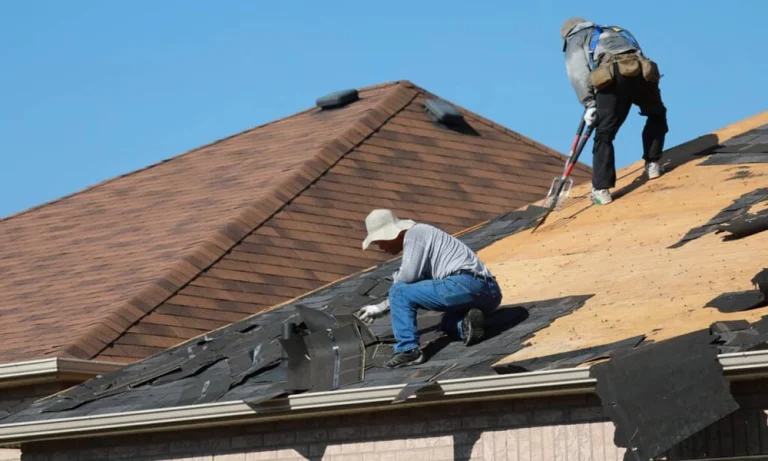
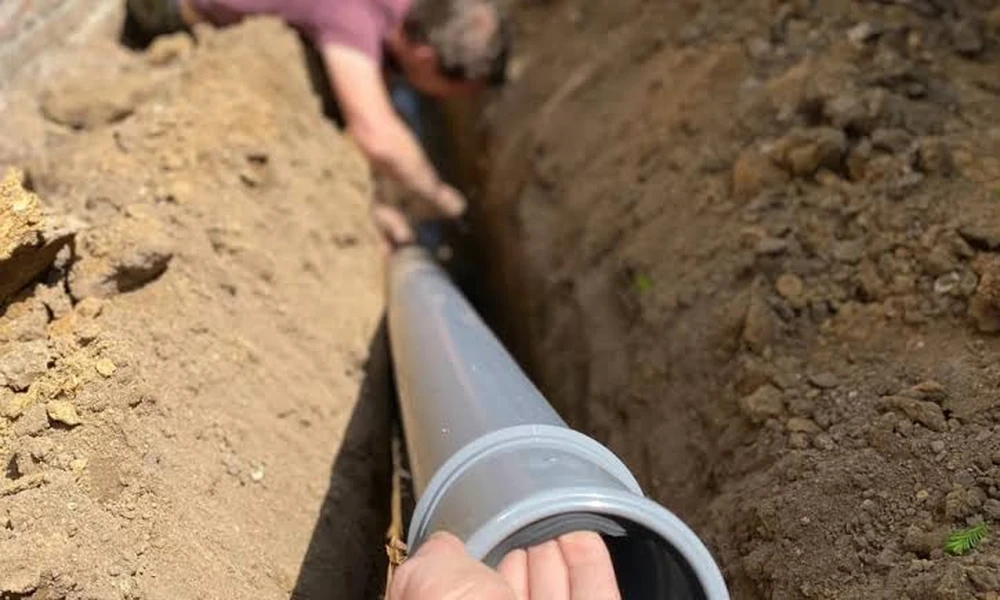

Ask most homeowners what a sewer repair looks like and they picture an excavator, a ditch across the front lawn and a month of mud. Trenchless methods exist to retire that picture. Trenchless Sewer Plumbing Inc. works out of Los Angeles with a licensed and insured crew that cites more than thirty years of experience, handling pipe bursting, CIPP lining, hydro jetting and camera inspections around the clock for homes and commercial properties from Pasadena to Santa Monica and Long Beach. Rather than list techniques in the abstract, this article walks through a repair from the first warning sign to the last cleanup, so the process feels familiar before you ever need it.
Before anyone pulls up, the clues
Sewer lines rarely fail without hints. Several fixtures drained slowly at once, gurgling after a flush, a sewage smell near the yard and a patch of lawn that stays soggy or unusually green all point underground. In older Los Angeles neighborhoods the usual suspects are aging clay or cast iron pipes, joints that have shifted over decades and tree roots that slip into the smallest gap searching for moisture.
When these signs appear, the best move is to limit water use and call for an inspection instead of running more loads of laundry and hoping. A line that is merely clogged is one problem. A line that has cracked, sagged or collapsed is another, and the repair plan depends entirely on telling them apart.
Morning, when the camera goes in
The day usually starts at the cleanout, the capped access pipe that gives crews a way into the line. If your property lacks one, installing it is often the first step, and it pays off for years afterward.
Before inspecting, a crew may use hydro jetting, which blasts the pipe walls with high pressure water to clear grease, roots and sludge so the camera sees something other than debris. Then a small camera on a flexible reel travels the full length of the line, sending live video to a monitor. Technicians look for root intrusion, cracked sections, offset joints, low spots that hold water and any collapsed areas, and they locate the pipe’s path and depth so the plan is built on facts.
Ask to watch the footage with them. A good crew will pause on the problem spots and explain them in plain terms, and many will give you a copy of the recording.
Midday, the lining or bursting decision
With the picture clear, the real choice appears. The two main trenchless approaches fix different kinds of damage.
- Cured in place lining suits pipes that are cracked, rough or leaking at joints but still hold their shape. A resin soaked liner is pulled in, inflated and cured until it hardens into a new pipe inside the old one.
- Pipe bursting suits pipes that have collapsed, shifted badly or sagged into bellies that trap waste. A bursting head fractures the old pipe from within while pulling a new one into the same path.
Lining cannot fix a low spot, because a liner follows the shape it is placed in. Bursting cannot always fit tight situations or sensitive utilities nearby. An honest estimate explains why one method fits your line, what each would cost and what the alternatives would involve. If a crew pushes one approach without showing the footage that supports it, pause and ask more questions.
Afternoon, the quiet part
Once the plan is set, the work itself is surprisingly low key. Instead of a long trench, crews dig small access pits at the ends of the line, or work through existing cleanouts where possible. Landscaping, patios and driveways stay largely intact, which is the entire point.
During a lining, the liner is inserted, inflated and cured, sometimes with heat or light, and then the ends are reopened and the connections restored. During bursting, the machine pulls the new pipe through, pushing the old fragments aside. Water service inside the house is usually interrupted for part of the day, so plan for that.
Training matters here. The North American Society for Trenchless Technology runs courses on lining, pipe bursting and related methods, so it is fair to ask any crew how its people learned the craft and how many installations they have completed.
Evening, proof and cleanup
A finished repair should not be taken on faith. A second camera run confirms that the new pipe or liner is smooth, continuous and connected correctly, and a flow test shows water moving the way it should. Most cities require permits and sometimes inspections for sewer work, so ask who handles the paperwork and what documents you will receive.
Cleanup should be part of the job, not a bonus. Expect the work area to be restored, debris hauled off and a written summary of what was done, along with warranty terms in writing instead of verbal promises.
The weeks after
Once the line is fixed, a few habits protect the investment. Keep grease, wipes and other items out of the drains. Avoid planting thirsty trees near the line, since roots are patient and persistent. Schedule periodic cleaning if your property has a history of buildup, and save the inspection video, because it makes a handy record when you sell the house or compare future problems.
Los Angeles homes face dry summers that send roots hunting for moisture and wet storms that push extra volume through the system, so an annual check before the rainy months is a sensible habit. A sewer line spends its whole life out of sight, which is exactly why a clear look at it once in a while is worth more than any guess.