
Homes in Horizon West are usually built with modern construction materials designed to improve energy efficiency, reduce noise, and keep your utility bills manageable. But these same materials can create the perfect conditions for termites to go undetected for months or years. That is why you may want to partner with Avata Pest in Horizon West as the company can inspect your home for termites and address active infestations.
What is Foam-Based Insulation a Problem?
Traditional fiberglass batt insulation is transparent to a trained pest control inspector. It doesn’t block access, and termite mud tubes or damaged wood behind it may be visible during a routine inspection.
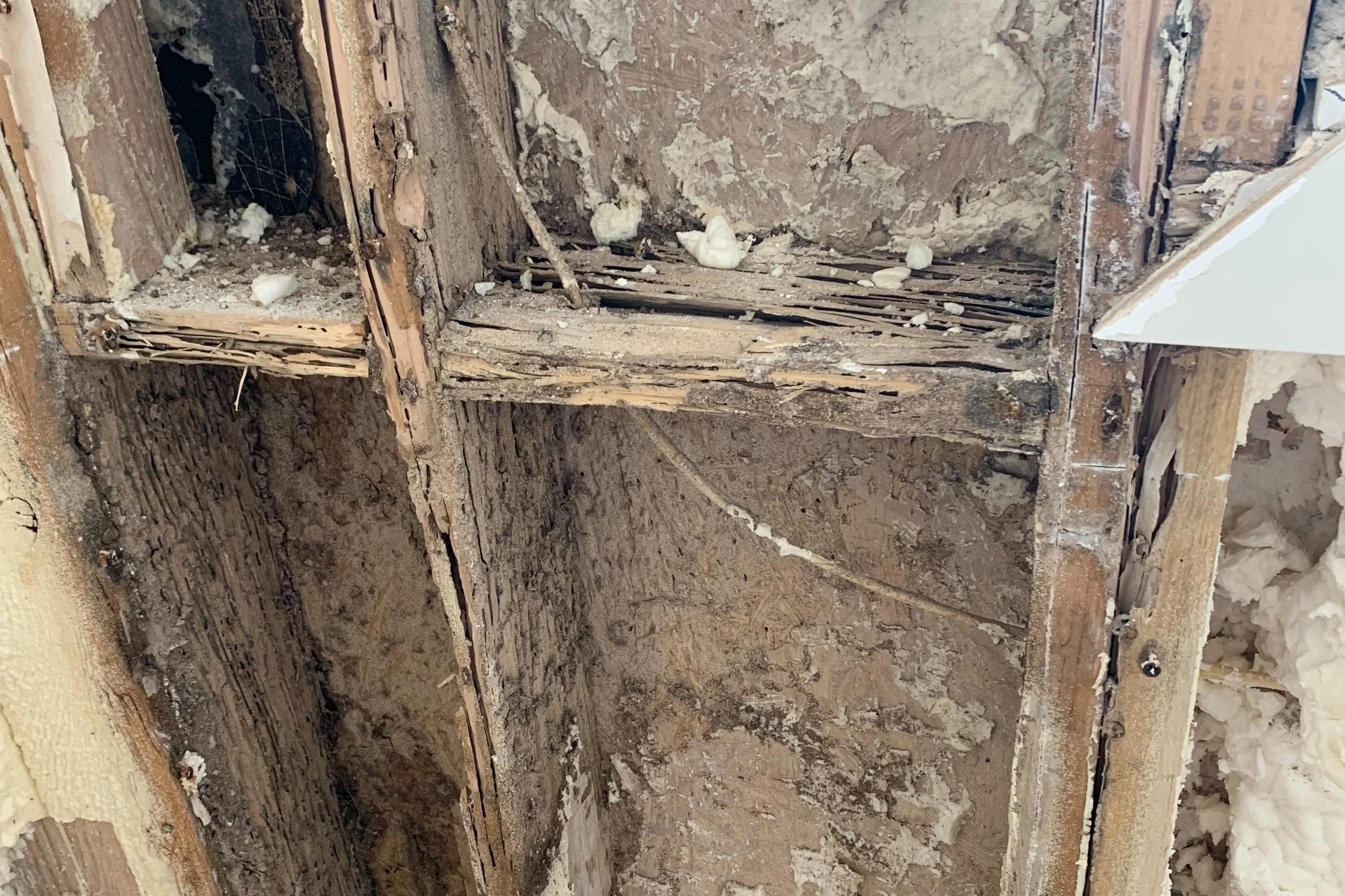
Foam board and spray foam are a different story. These materials adhere to surfaces, fill gaps, and create a sealed environment. Termites tunnel behind or through foam insulation stay hidden. There are no visible mud tubes on the exterior. You won’t notice hollow-sounding wood when you tap the wall.
How Termites Use Foam to Their Advantage
Subterranean termites search for moisture and cellulose. Foam board insulation can create a warm, dark, protected pathway from the soil into the home’s wooden structure.
Termites don’t eat foam itself, but they tunnel through it with ease. They access the wood framing hidden behind it. The tunnels stay protected from air movement and light because the foam seals everything effectively. The foam board gives termites a built-in shield.
Common Problem Areas in Horizon West Homes
Certain parts of a Horizon West home are especially vulnerable when foam insulation is involved:
- Foundation walls and stem walls. Exterior foam board on foundation walls can be termite highways in new construction. The foam runs from the soil line upward, and termites follow it straight into the framing.
- Garage walls and attic spaces. Spray foam applied in garages and attics creates thick, opaque barriers that obscure what’s happening in the wood behind them.
- Interior wall cavities. Expanding foam used to seal plumbing and electrical penetrations can create hidden channels that termites exploit to move between floors and wall sections.
- Slab penetrations. Foam used to seal around pipes entering through the slab is a known entry point, particularly in older Horizon West homes where original sealants have shifted or degraded.
Why Standard Inspections Often Miss It
A conventional termite inspection relies on visual access. The inspector walks the perimeter, checks visible wood, looks for mud tubes, and taps surfaces to detect hollow areas. These methods work well in homes with accessible and exposed materials.
Foam insulation defeats most of these techniques, since you can’t see through it. Tapping a foam-covered wall doesn’t produce the same acoustic feedback as an unobstructed surface. Mud tubes built behind foam never appear on the exterior. The inspector may do everything correctly and still have no idea that a colony has been at work inside the walls for two years.
What Horizon West Homeowners Should Know
Florida’s building codes permit the use of foam board insulation on foundation walls, but the Florida Building Code requires that a portion of the foam be left exposed or that a physical termite barrier be installed in conjunction with it. Not every builder follows these requirements, and not every homeowner knows to check.
You may have blind spots in your termite protection that a standard annual inspection would never catch if your home was built in the last fifteen years and you have never had a professional inspect behind foam-covered areas. Thermal imaging, moisture detection tools, and borescope cameras are currently available through specialized pest control providers.
The materials that make your home more energy-efficient should not also make it more vulnerable to one of Florida’s most destructive pests. Know where these blind spots exist to ensure they don’t become a serious problem.