
Key Takeaways
- A clear design process helps turn ideas into practical, stylish homes
- Smart planning is key for BTO flats with limited space
- Material selection and detailing shape both comfort and durability
- Professional guidance ensures smoother timelines and better results
Introduction
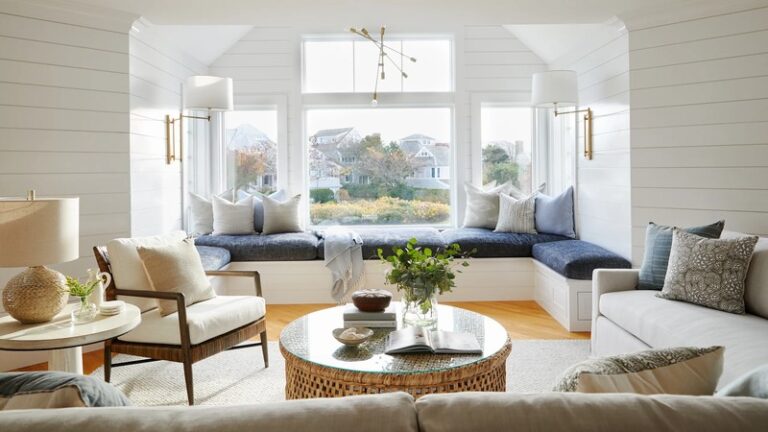
A home is more than walls and furniture. It’s where daily life unfolds, where quiet mornings and busy evenings meet. That’s why residential interior design in Singapore often goes beyond surface beauty. It balances function, comfort, and personality.
From compact BTO flats to larger private homes, the journey from concept to completion can feel overwhelming at first. But with a structured approach and the right expertise, it becomes far more manageable and even enjoyable. So how does that process really work?
Concept First, Always
Every well-designed home starts with a clear idea. Not just a Pinterest board or a trending style, but a concept that reflects how the space will actually be used. Is the home meant for entertaining guests? Or is it a quiet retreat after long workdays?
In residential interior design in Singapore, designers often begin with lifestyle discussions. It sounds simple, but it matters. A young couple might prioritise open layouts and storage, while a growing family might need flexible zones.
For BTO interior design in Singapore, this stage becomes even more crucial. Space is limited, so every decision must serve a purpose. Built-in storage, multi-use furniture, and clever zoning are often part of the conversation early on.
It’s a bit like planning a kitchen recipe. Without knowing what dish is being made, even the best ingredients won’t come together properly.
Planning the Space (Where Things Get Real)
Once the concept is clear, the next step is space planning. This is where ideas meet measurements. Floor plans are studied, adjusted, and sometimes reworked several times.
Designers consider movement flow, how people walk through the space, where natural light falls, and how each area connects. It may sound technical, but it directly affects comfort. A poorly planned living room can feel cramped even when it’s not.
For BTO interior design in Singapore, planning often involves maximising vertical space. Think tall cabinetry, hidden compartments, or even raised platforms. These solutions may seem small, but they make everyday living easier.
There’s also the matter of regulations. Renovation guidelines for HDB flats can be strict, so having experienced professionals helps avoid costly mistakes.
Materials, Details, and the Finishing Touches
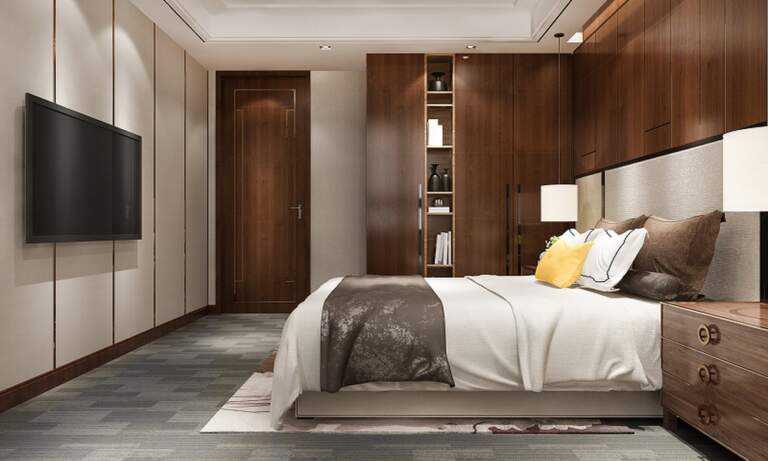
Here’s where the design starts to feel tangible. Materials, colours, and finishes are selected to bring the concept to life. It’s not just about what looks good, though that matters. It’s also about what lasts.
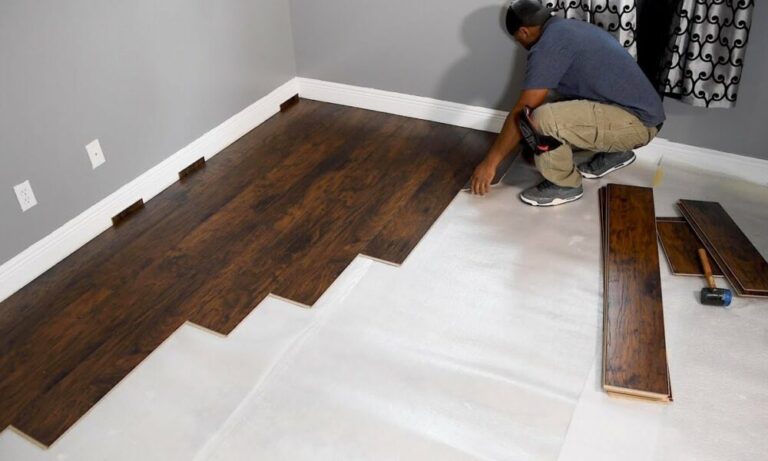
Laminate finishes, quartz countertops, and durable flooring are popular choices in residential interior design projects in Singapore. They balance style with practicality, especially important in humid climates.
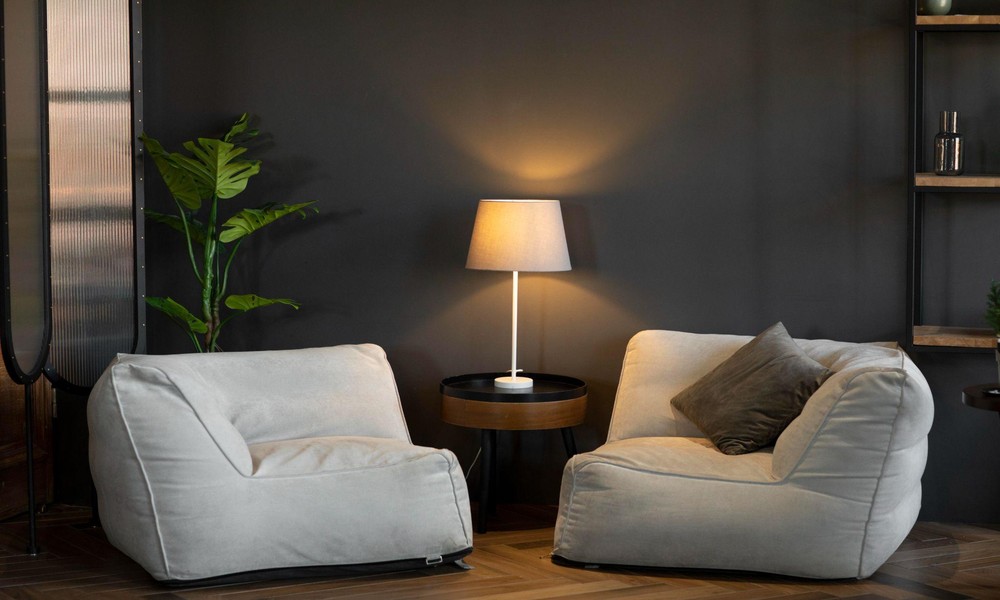
Lighting plays a subtle but powerful role. Warm lighting can make a small space feel inviting, while layered lighting adds depth. It’s often overlooked, yet it shapes the mood more than expected.
And then there are the details. Handles, trims, textures. These might seem minor, but they quietly tie everything together. Like seasoning in cooking, they complete the experience.
From Build to Completion (And Everything In Between)
Execution is where patience comes in. Renovation work involves coordination between carpenters, electricians, painters, and more. Delays can happen, and adjustments are sometimes needed.
Still, a well-managed project keeps things on track. Regular updates, site checks, and clear communication make a noticeable difference.
For homeowners working on BTO interior design in Singapore, timelines are especially important. Many move in shortly after completion, so delays can disrupt plans.
In the end, completion isn’t just about handing over keys. It’s about delivering a space that feels right the moment someone walks in. Comfortable. Functional. Personal.
Conclusion
Residential interior design is a journey that blends creativity with practicality. From shaping an initial idea to managing construction details, each step plays a role in creating a home that truly works.
In Singapore, where space and regulations add complexity, thoughtful planning becomes even more important. Whether it’s a BTO flat or a private residence, the right approach can turn constraints into opportunities.
For those ready to create a home that feels both beautiful and functional, Jialux Interior offers the expertise to bring that vision to life. Get in touch with Jialux Interior today.