
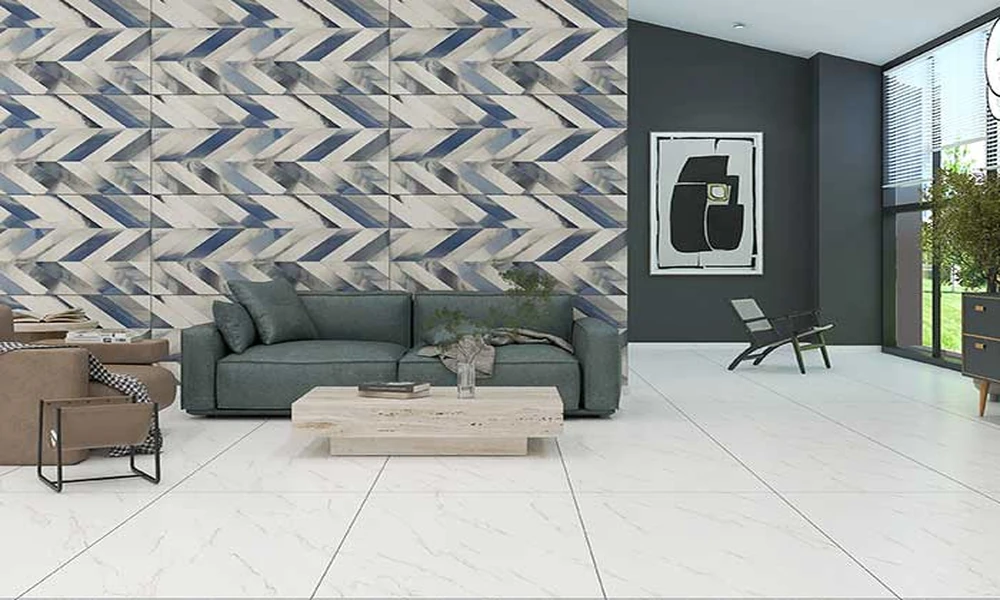

Nothing transforms a room quite like the right wall tile. It’s not just about color or shine. The size, finish, and texture of ceramic tiles set the tone for your space, whether you want cozy, dramatic, or ultra-modern. And with so many choices available, from subtle matt textures to bold 3D patterns, every style and function can be matched perfectly.
Understanding Ceramic Wall Tiles: Basics and Benefits
What Are Ceramic Wall Tiles?
Ceramic wall tiles are thin slabs made from natural clay and minerals, fired at high temperatures. The result is a hard, water-resistant surface perfect for walls in kitchens, bathrooms, and even living rooms.
Advantages of Ceramic Tiles Over Other Materials
Ceramic tiles bring more to the table than just good looks. They resist stains, humidity, and scratches far better than paint or wallpaper. Unlike wood, they don’t warp in humid conditions, and they’re easier to keep clean than natural stone. Their lifespan and versatility make them a smart investment for busy households.
Key Factors to Consider When Choosing Ceramic Tiles
Before choosing a tile, consider wear and tear, room moisture, and how much cleaning you’re willing to do. It’s not just about the design. Think about where the tile will go, who will use the room, and what kind of maintenance makes sense for your lifestyle.
Types of Ceramic Wall Tiles: A Comparative Overview
Glossy vs. Matt Finishes: Which Suits Your Space?
Glossy finishes bounce light, making small rooms look larger and brighter, but they can show fingerprints and water marks. Matt tiles, on the other hand, absorb light for a more understated look and are less likely to show smudges.
Carving and 3D Ceramic Tiles: Adding Texture and Depth
Tiles with carved surfaces or 3D effects introduce dimension and interest, turning a plain wall into a statement feature. They work beautifully as accent walls or behind open shelving where texture becomes a focal point.
Designer vs. Regular Ceramic Tiles: Style and Functionality
Designer tiles incorporate bold patterns, intricate motifs, and unique shapes, while regular tiles stick to traditional colors and finishes. If you want your kitchen backsplash to stand out, designer options provide endless possibilities. For a classic bathroom wall, regular tiles keep things simple and timeless.
Porcelain vs. Regular Ceramic: Durability and Usage Differences
Porcelain is a type of ceramic, but it’s fired at higher temperatures and is denser, making it more durable and less porous. For high-traffic or wet areas, porcelain is often the better choice, although regular ceramic works well for most wall applications.
| Tile Type | Water Resistance | Durability | Cost | Typical Use |
|——————–|—————–|————|———|————————|
| Regular Ceramic | Moderate | Good | Lower | Bathrooms, Kitchens |
| Porcelain | High | Excellent | Higher | Showers, Exteriors |
| Designer Ceramic | Varies | Good | Premium | Feature Walls, Accents |
Size and Shape Variations: Matching Tiles to Room Requirements
Popular Sizes and Their Ideal Applications
Small tiles like 4″x12″ and 12″x12″ are perfect for backsplashes or compact walls, while larger formats, 24″x48″ or even 32″x64″, can make large spaces feel seamless and modern.
Unique Shapes: Subway Tiles, Wooden Strips, and More
Subway tiles bring classic charm and work almost anywhere. Wooden strip tiles, mimicking natural wood planks, add warmth without the maintenance hassles of real wood. Mixing sizes and shapes can create eye-catching mural effects or visually widen a narrow space.
How Size Affects Installation and Visual Impact
Large tiles mean fewer grout lines and a sleeker look, but they require a perfectly flat wall for installation. Small tiles allow for more intricate patterns but take longer to lay and can make a space feel busier.
Color and Pattern Options: Creating Ambiance and Style
Neutral Shades vs. Bold Colors: When to Choose What?
Neutral colors like white, beige, and gray offer flexibility and make spaces appear open. Bolder colors (blue, green, red, black) create drama and allow you to express personality, especially in accent walls or contemporary settings.
Patterned and Textured Tiles: Elevating Room Design
Patterned tiles, think terrazzo, florals, or geometrics, add movement and character. Textured tiles catch the light differently throughout the day, introducing subtle variation and depth.
Coordinating Tile Colors with Room Function and Décor
Bathrooms often benefit from calming hues, while kitchens can handle lively patterns. For living rooms, consider tiles that echo your furniture or accent colors to tie the space together.
Room-by-Room Tile Selection: Tailoring Choices for Each Space
Kitchen Walls: Durability and Cleanability Priorities
High-gloss or porcelain tiles are ideal here since they wipe clean easily and resist stains from cooking splatters.
Bathroom Walls: Moisture Resistance and Aesthetic Trends
Look for matt or lightly textured tiles for shower walls to reduce slipping. Soft colors and subtle patterns add a spa-like feel.
Living Areas and Accent Walls: Style and Statement Pieces
Experiment with 3D tiles or bold designer styles to create a focal point above a fireplace or on a feature wall.
Exterior and Outdoor Applications: Weatherproof Ceramic Options
Porcelain tiles are best for outdoor walls due to their low water absorption and frost resistance. Rougher textures offer extra grip and weather resistance.
Installation and Maintenance Considerations
Surface preparation is essential for a flawless finish, walls must be clean, dry, and level. For longevity, use quality adhesives and grout, and seal any porous tiles. Glossy tiles need regular wiping to keep their shine, while matt finishes hide minor smudges but may require occasional deep cleaning.
Trends and Innovations in Ceramic Wall Tiles
The market is seeing a surge in eco-friendly tiles made from recycled materials. Digital printing allows for stunning new designs, from hyper-realistic stone to intricate mosaics. Terrazzo and carved patterns are making bold statements, blending art and function.
Making the Right Choice: Combining Style, Function, and Budget
Compare costs across finishes and materials, porcelain is pricier but pays off in heavy-use areas, while regular ceramic offers more affordable options for low-impact rooms. Balancing aesthetics with practicality ensures satisfaction for years to come. For a full spectrum of options and expert help, resources like Club Ceramic Tiles can streamline your selection process and inspire new possibilities.
From practical porcelain to designer flourishes, there’s a ceramic wall tile for every taste and every corner of your home. The perfect match is out there, waiting to elevate your space.