
Choosing new siding is an important decision for homeowners. The exterior material affects the appearance of the property, maintenance requirements, installation process, and how the home looks as it ages.
Two options that homeowners frequently consider are fiber cement siding, often referred to as Hardie® board, and vinyl siding. Both materials have their own characteristics, advantages, maintenance considerations, and design possibilities.
The right choice depends on the home’s existing exterior, the homeowner’s priorities, budget, desired appearance, and expectations for long-term maintenance.
Rather than asking which material is universally better, it is more useful to compare how each option fits your particular home.
Understanding Fiber Cement Siding
Hardie® board is a common name used when referring to James Hardie fiber cement siding. Fiber cement is manufactured using cementitious materials and reinforcing fibers to create a durable exterior cladding.
James Hardie offers several siding styles, including lap siding, vertical siding, and shingle-style products. Its products are also available in different colors and finishes, allowing homeowners to create a variety of exterior designs.
Fiber cement is also designed to resist common exterior concerns such as moisture and pests. However, the material still needs proper installation and routine maintenance to perform as intended.
For homeowners considering hardie board siding installation in Bergen County NJ, it is worth discussing the home’s architecture and exterior conditions with an experienced contractor before selecting a specific product.
Understanding Vinyl Siding
Vinyl siding is a synthetic exterior cladding made primarily from PVC. It has been used on residential properties for decades and remains a common option for homeowners looking for a relatively low-maintenance exterior.
Vinyl siding is available in many colors, profiles, textures, and styles. Options can be designed to resemble traditional wood siding while requiring less routine painting.
The Vinyl Siding Institute explains that vinyl siding is designed to accommodate normal expansion and contraction caused by temperature changes, which is an important consideration during installation.
As with any siding material, proper installation is important for appearance and performance.
Comparing Appearance and Design
Appearance is often one of the first factors homeowners consider.
Fiber cement siding can provide a substantial, traditional appearance and is available in different textures and profiles. It can work well with traditional, contemporary, and transitional architectural styles.
Vinyl siding offers extensive design flexibility as well. Homeowners can select from different profiles, textures, colors, and trim combinations.
The best option depends largely on the style you want to achieve.
Consider the existing roof, windows, doors, stonework, brick, landscaping, and architectural details before choosing a siding color or profile.
It can also be helpful to view actual product samples in daylight because colors can appear different depending on lighting and surrounding materials.
Comparing Maintenance Requirements
Both materials can be considered relatively low-maintenance compared with traditional painted wood siding, but neither is completely maintenance-free.
Fiber cement generally requires routine cleaning and periodic inspection. Depending on the product and finish, painted fiber cement may eventually require repainting.
James Hardie recommends cleaning its siding with a garden hose and appropriate soft-brushing techniques and cautions homeowners against pressure washing because excessive pressure can damage the siding.
Vinyl siding typically does not require painting, although it should still be cleaned periodically.
The Vinyl Siding Institute provides maintenance guidance that includes cleaning vinyl siding and addressing dirt and other surface buildup.
The amount of maintenance you are comfortable performing should therefore be part of the decision.
Comparing Durability
Durability is another important consideration.
Fiber cement is designed for demanding exterior conditions and is resistant to several common problems associated with exterior building materials. James Hardie describes its fiber cement siding as resistant to moisture damage, pests, and noncombustible.
Vinyl siding also has characteristics that make it suitable for residential exteriors, but it can be affected by impact and temperature-related movement.
This does not mean one material is automatically appropriate for every house. The local climate, exposure, installation quality, product selection, and maintenance all contribute to how siding performs over time.
Comparing Installation
Installation methods differ between fiber cement and vinyl siding.
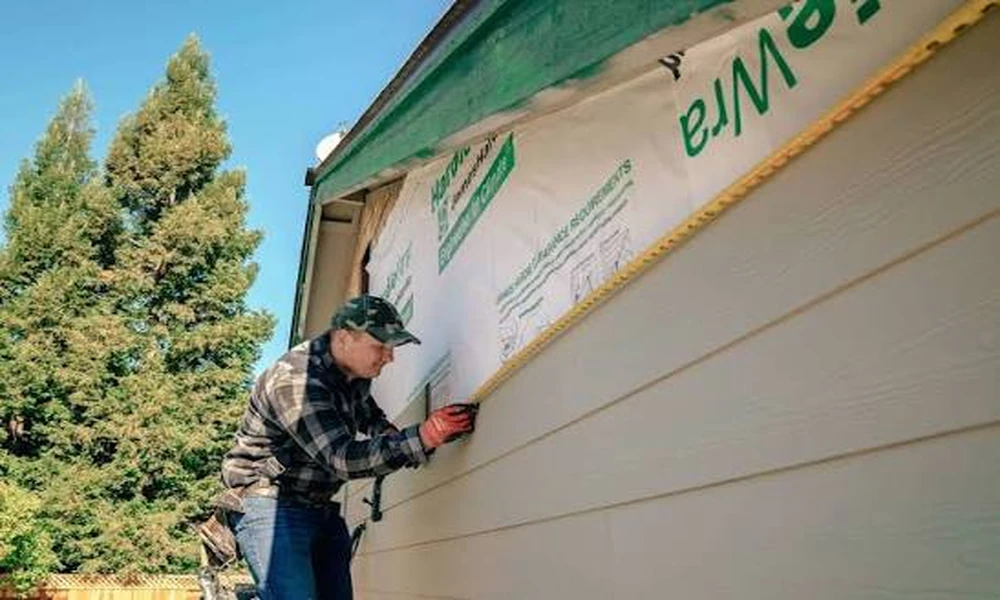
Fiber cement siding is heavier and generally requires specific handling, cutting, fastening, and installation practices. Some products also have particular requirements concerning clearances, joints, flashing, and weather-resistant barriers.
Vinyl siding is lightweight and is designed to accommodate expansion and contraction. Its installation also involves specific techniques for fastening, overlapping, corners, windows, doors, and trim.
The manufacturer’s installation instructions should always be followed.
This is one reason the contractor you choose matters just as much as the material.
Consider Your Home’s Existing Condition
Before choosing either material, have the existing exterior evaluated.
A contractor should look for signs of:
- Moisture intrusion
- Rot or deterioration
- Damaged sheathing
- Poor previous installation
- Problems around windows and doors
- Damaged trim
- Areas requiring additional preparation
New siding should not be viewed as a way to hide underlying problems.
If moisture or structural issues exist behind the current siding, those conditions should be addressed as part of the renovation plan.
Think About Long-Term Maintenance
A siding decision should account for how you want to care for your home over the years.
Ask yourself:
- How much routine cleaning are you comfortable doing?
- Are you willing to repaint exterior siding when necessary?
- How important is resistance to physical damage?
- How important are specific colors or textures?
- Are you planning to remain in the home for many years?
- Are you renovating for resale?
- How important is the initial project cost?
- What type of appearance do you want?
There is no single answer that works for every homeowner.
For example, someone prioritizing a particular architectural appearance may have different preferences from someone primarily focused on minimizing routine maintenance.
Choosing a Contractor for Fiber Cement Siding
If fiber cement is your preferred material, look for a contractor who has experience working with it.
Ask about previous projects, manufacturer installation requirements, preparation methods, flashing, trim, and warranty coverage.
Homeowners should also verify applicable contractor registration and insurance before beginning a major exterior renovation.
For those researching hardie board siding installation in Essex County NJ, comparing contractors based on experience and project scope can provide more useful information than comparing prices alone.
A detailed written proposal should explain what is included in the work, including removal, preparation, materials, installation, trim, cleanup, and applicable warranties.
Choosing a Contractor for Vinyl Siding
The same principle applies when selecting a professional for vinyl siding.
A contractor should understand how vinyl siding responds to temperature changes and how the product should be fastened and detailed around windows, doors, corners, and other exterior features.
Homeowners should ask which manufacturer and product line will be used and review the available colors and profiles before materials are ordered.
If you are researching vinyl siding contractors in Morris County NJ, ask prospective contractors for examples of completed projects and detailed written estimates.
This can help you compare the complete scope of work rather than focusing only on the quoted price.
Consider the Total Project Cost
Initial price is an important consideration, but homeowners should also think about the broader cost of ownership.
A useful comparison can include:
- Material cost
- Installation labor
- Removal of existing siding
- Disposal
- Wall preparation
- Repairs
- Trim and accessories
- Maintenance
- Painting or refinishing
- Potential future repairs
The least expensive initial estimate may not necessarily represent the lowest long-term expense, while the most expensive material is not automatically the right choice.
Ask contractors to explain what is included in their estimates so you can compare proposals accurately.
Don’t Forget the Details
Siding is only one component of an exterior renovation.
Trim, soffits, fascia, flashing, window details, exterior lighting, gutters, doors, and other elements can influence the finished appearance.
A new siding color may also change how existing architectural features look.
Before ordering materials, consider the exterior as a complete design rather than making the siding decision in isolation.
A contractor can help identify areas where updated trim or complementary materials may improve the overall result.
What Should You Choose?
The decision between fiber cement and vinyl siding ultimately depends on your home’s characteristics and your priorities.
Fiber cement may appeal to homeowners who want a particular architectural appearance, a substantial siding material, and specific performance characteristics. Vinyl may appeal to homeowners who prioritize a wide selection of styles and colors along with relatively simple routine maintenance.
Neither choice should be made solely because of a single feature or marketing claim.
The best starting point is an evaluation of your home, followed by a discussion of the available materials, installation requirements, maintenance expectations, and overall project cost.
For homeowners looking into vinyl siding contractors in Passaic County NJ, obtaining a detailed proposal can help clarify the differences between available products and installation approaches.
Make the Decision Based on Your Home
Choosing siding is a long-term home improvement decision. The material should complement the home’s architecture while fitting the homeowner’s maintenance preferences, budget, and expectations.
Before making a final decision, compare actual product samples, review manufacturer information, inspect the existing exterior, and speak with experienced contractors.
A well-planned siding project should address more than color and curb appeal. It should consider preparation, installation, moisture management, maintenance, trim, and the overall condition of the home’s exterior.
KRR General Contractor can help homeowners evaluate their siding options and understand what goes into a complete exterior renovation. By approaching the project with clear expectations and a detailed plan, homeowners can make a siding decision that is appropriate for their individual property and long-term goals.