
Rising energy costs have made homeowners more conscious of how efficiently their homes are heated and cooled. Traditional systems often consume more energy than necessary, especially when they rely on outdated technology or inefficient processes. As a result, many households are exploring smarter, more sustainable alternatives.
One of the most effective solutions gaining popularity is heat pump installation. This modern system offers a practical way to maintain indoor comfort while significantly reducing energy consumption. By understanding how it works and the benefits it provides, homeowners can make informed decisions that support both their budget and the environment.
Understanding How Heat Pumps Work
A heat pump operates differently from conventional heating systems. Instead of generating heat through combustion or electrical resistance, it transfers heat from one place to another. During colder months, it extracts heat from the outside air and moves it indoors. In warmer weather, it reverses the process, removing heat from inside your home.
This transfer-based approach requires less energy compared to systems that produce heat directly. Because of this, heat pumps are widely recognised as one of the most energy-efficient heating and cooling solutions available today.
Why Heat Pumps Are More Energy Efficient
The key advantage of a heat pump lies in its efficiency. Traditional systems convert energy into heat, which can lead to significant losses during the process. In contrast, heat pumps move existing heat, making them far more efficient in terms of energy usage.
For every unit of electricity used, a heat pump can deliver multiple units of heating or cooling. This efficiency reduces the amount of electricity required to maintain comfortable indoor temperatures, directly impacting monthly energy bills.
Moreover, modern heat pump systems are designed with advanced controls and technology that optimise performance based on real-time conditions. This ensures that energy is not wasted, even during periods of fluctuating demand.
Long-Term Cost Savings
While the initial investment in heat pump installation may be higher than traditional systems, the long-term savings often outweigh the upfront cost. Lower energy consumption means reduced monthly utility bills, which can add up to substantial savings over time.
In addition to energy savings, heat pumps typically require less maintenance compared to combustion-based systems. They have fewer components that are prone to wear and tear, reducing repair costs and extending the lifespan of the system.
Over several years, these combined savings make heat pumps a financially sound choice for homeowners seeking both efficiency and reliability.
Environmental Benefits That Support Savings
Another important factor to consider is the environmental impact. Heat pumps produce fewer carbon emissions compared to traditional heating systems, particularly those that rely on fossil fuels.
By reducing energy consumption and lowering emissions, homeowners contribute to a more sustainable future. In some regions, this can also lead to financial incentives such as rebates or tax benefits, further enhancing overall savings.
Choosing heat pump installation is not only a cost-effective decision but also a responsible one that aligns with growing environmental awareness.
Factors That Influence Energy Savings
The level of savings achieved with a heat pump can vary depending on several factors. Understanding these elements helps homeowners maximise efficiency and get the most out of their investment.
- Home insulation: Well-insulated homes retain heat more effectively, reducing the workload on the system
- Climate conditions: Moderate climates often yield the highest efficiency gains
- System size and design: Proper sizing ensures optimal performance without unnecessary energy use
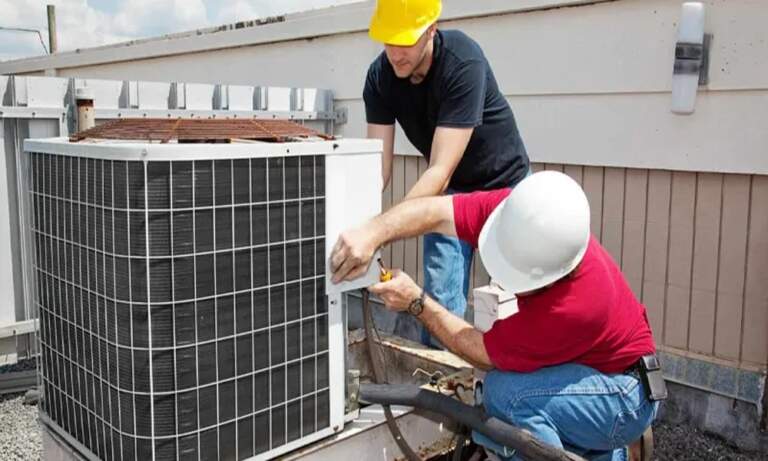
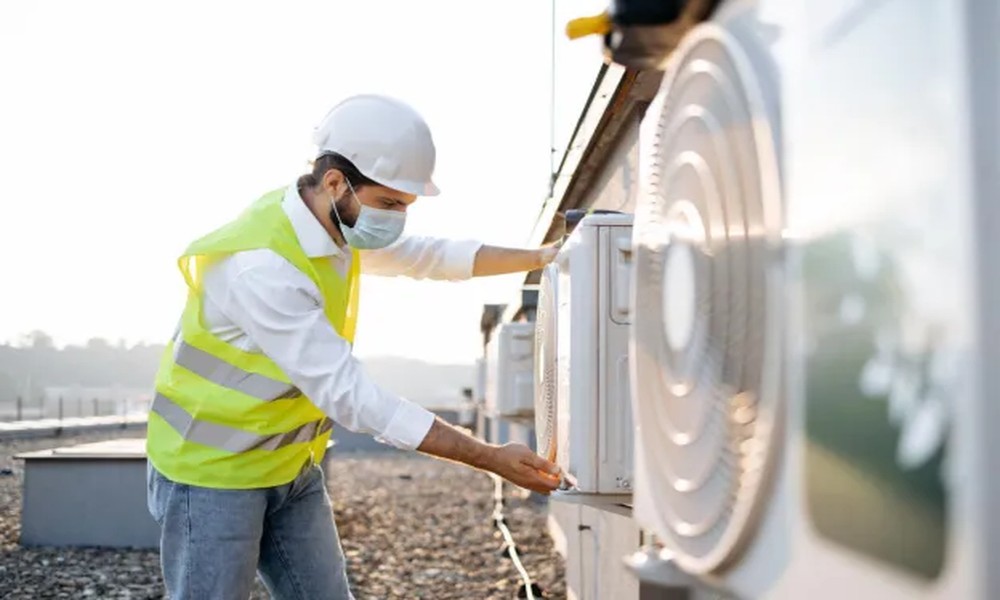
- Installation quality: Professional installation plays a crucial role in system efficiency
- Usage patterns: Consistent and balanced usage helps maintain energy savings over time
By addressing these factors, homeowners can ensure their system operates at peak efficiency and delivers consistent cost benefits.
Improved Comfort Without Higher Costs
Beyond financial savings, heat pumps also enhance overall comfort. They provide consistent temperature control without the fluctuations often associated with traditional systems.
Because heat pumps operate continuously at lower energy levels rather than switching on and off frequently, they maintain a more stable indoor environment. This not only improves comfort but also reduces energy spikes that can increase costs.
Additionally, many systems offer advanced features such as programmable thermostats and smart controls, allowing users to customise their settings based on daily routines.
When to Consider Upgrading to a Heat Pump
If your current heating or cooling system is ageing, inefficient, or requiring frequent repairs, it may be time to consider an upgrade. Rising energy bills are often a clear indicator that your system is no longer performing efficiently.
Homes undergoing renovation or energy-efficiency improvements are also ideal candidates for heat pump installation. Integrating a modern system during these upgrades ensures better performance and long-term savings.
Consulting with a qualified professional can help determine whether a heat pump is the right choice based on your home’s specific needs and conditions.
Conclusion
Heat pumps offer a practical and energy-efficient solution for modern homes. By transferring heat rather than generating it, they significantly reduce energy consumption and lower monthly utility costs. Although the initial investment may be higher, the long-term savings, reduced maintenance, and environmental benefits make them a worthwhile choice.
For homeowners looking to improve efficiency without compromising comfort, heat pump installation provides a reliable path towards lower energy bills and a more sustainable home.