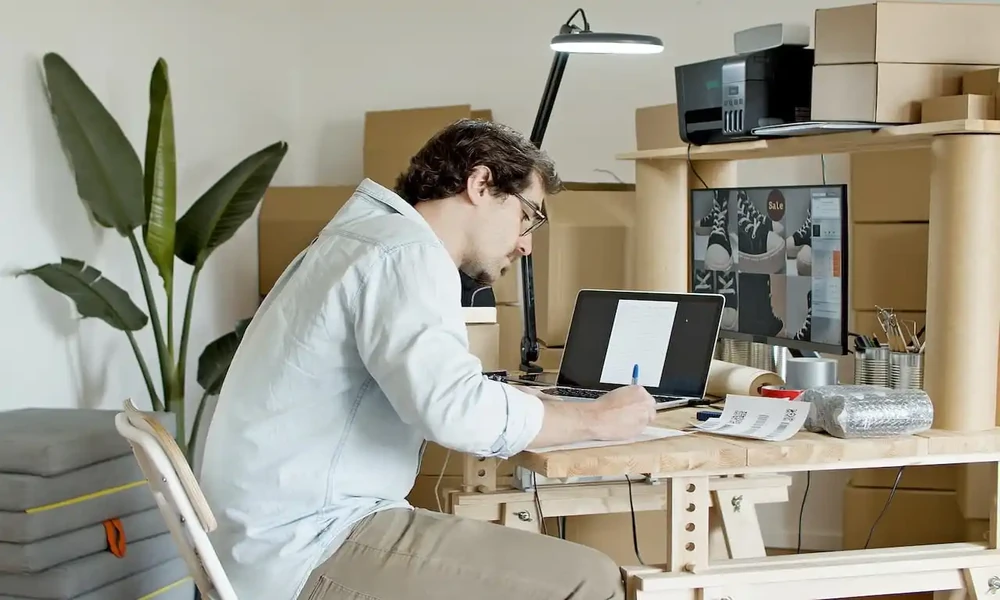

Working from home has become a regular part of everyday life for many people, but having a laptop at the kitchen table does not necessarily create a space that feels comfortable or productive. A thoughtfully designed workspace can make a noticeable difference to your workday, from choosing supportive home office chairs to arranging your desk so everything feels easy to reach. The aim is not to create a picture-perfect office but a space that works for your routine and helps you feel more settled.
Start With the Right Spot
Your workspace location can influence how you feel throughout the day. A dedicated room is ideal, but it is not essential. A quiet corner of a living room, bedroom, or spare space can work just as well when arranged thoughtfully.
Consider natural light when choosing your spot. Positioning a desk near a window can make the room feel brighter and more inviting, while also giving you a chance to look away from your screen occasionally. Try to avoid placing your monitor directly in front of a bright window, however, as glare can make working less comfortable.
It also helps to choose a place that becomes associated with work. Some physical separation between your workspace and leisure areas can make it easier to switch into work mode and disconnect at the end of the day.
Invest in Everyday Comfort
A workspace should support you throughout the hours you spend using it. Your chair and desk are two of the most important elements because they influence how comfortably you sit, type and move.
Look for a chair that allows you to sit comfortably while keeping your feet supported and your arms in a natural position. Your desk should give you enough room for your computer, notebooks, and anything else you use regularly without becoming cluttered.
Your screen also needs attention. Ideally, position the monitor so you can look at it without constantly bending your neck down. Small adjustments to the height of your screen, chair, or keyboard can make your setup feel considerably more comfortable.
Keep Clutter Under Control
A tidy workspace does not have to be minimalist, but unnecessary clutter can make a small area feel chaotic. When your desk is covered with paperwork, cables, mugs, and miscellaneous items, it becomes harder to focus on what actually needs your attention.
Simple storage solutions can make a big difference. Use trays for documents, small containers for stationery, and cable management clips to keep wires under control. Keeping frequently used items within easy reach also means you spend less time searching for things during a busy day.
At the end of your working day, take a few minutes to reset the space. Clearing your desk can create a useful boundary between work time and personal time, particularly when both happen in the same room.
Add Personal Details
Comfort is not only about furniture and posture. The visual character of your workspace can influence how enjoyable it feels to spend time there.
Introduce a few details that make the area feel like your own. A plant can bring some natural character into the room, while photographs, artwork, or a favourite object can make an otherwise practical space feel more personal. Soft lighting can also help create a warmer atmosphere once daylight begins to fade.
The key is balance. Too many decorative pieces can take up valuable workspace, so choose a handful of things that genuinely make you feel good.
Make Your Technology Work Better
Technology should make work easier, not create unnecessary distractions. Keep your most-used devices organised and consider whether additional equipment would genuinely improve your daily routine.
A separate keyboard or monitor may be useful if you work at a desk for long periods. Similarly, a simple laptop stand or monitor riser can improve your setup without a major investment.
Think about the small frustrations you experience each day. If your charger is always out of reach, your video calls are poorly lit, or your headphones keep disappearing, solve those problems first. Practical improvements often make the biggest difference.
Conclusion
The best home workspace suits the way you actually live and work. It does not need to follow a particular interior trend or look like a traditional office. What matters is that it feels comfortable, organised and practical.
Take time to assess what is working and what is not. Perhaps your lighting needs improving, your desk needs more storage, or your chair no longer feels comfortable after a full day. Making small changes over time can be more effective than trying to redesign everything at once.
A home workspace should support both productivity and well-being. With thoughtful choices, even a modest corner of your home can become a place where working feels more comfortable, focused, and enjoyable.